
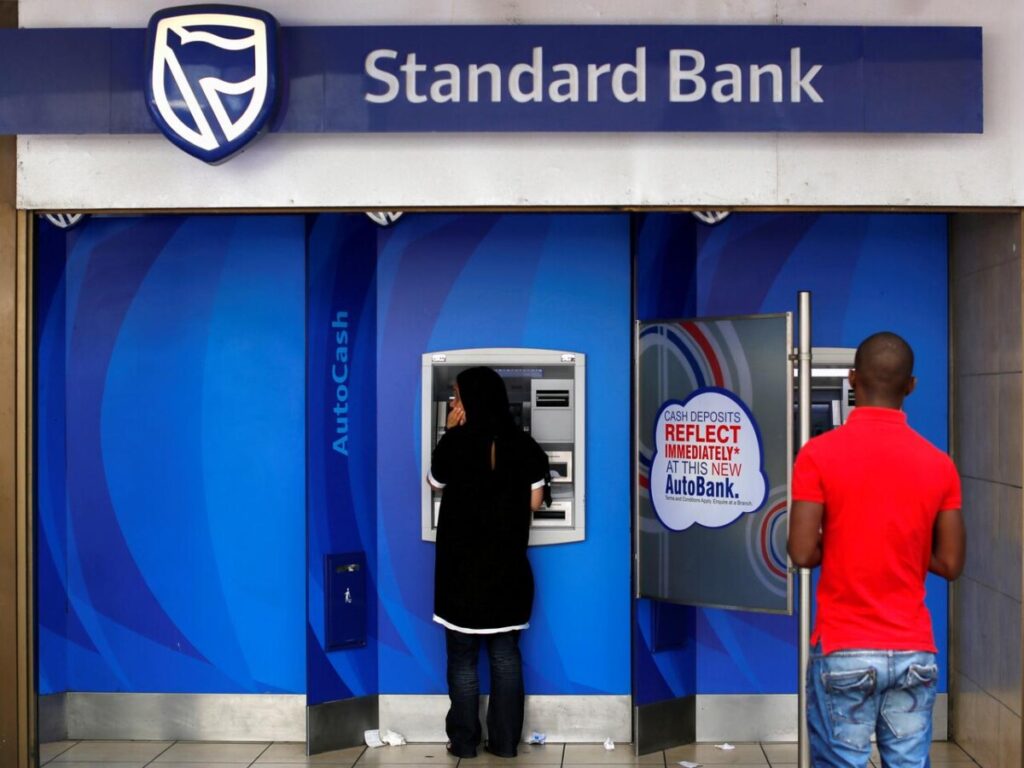
South Africa Banking Fees remain among the highest in the world, driven by a combination of operational, structural, and economic factors. Data from the 2024 and 2025 Solidarity Research Institute Banking Charges Reports, the PwC Major Banks Analysis (March 2025), and the 2024 South African Banking Sentiment Index by DataEQ reveal why bank charges in South Africa consistently exceed those of many developed economies.
- High Operational Costs and Infrastructure Constraints
South African banking fees are elevated partly due to the high operational costs faced by banks. The 2025 PwC Major Banks Analysis reports a cost-to-income ratio of 52.9% for the country’s major banks in 2024. Maintaining branch and ATM networks across expansive rural areas incurs significant expenses in cash logistics, transportation, and security. For example, ATM withdrawals at Standard Bank cost around R10 per R1,000, and using another bank’s ATM attracts fees of R6–R10, according to the 2025 Solidarity Report. By comparison, countries like Sweden and Germany, where digital payments dominate and cash use is under 10%, see substantially lower infrastructure costs and minimal ATM charges.
Cybersecurity also adds to South African banks charges. Spending on IT security is three times higher in banking than in other sectors of similar size due to escalating cyber threats. These costs are factored into the South African banks charges passed on to customers.
- Cash-Based Economy Drives Banking Costs
South Africa remains a cash-dominated economy, with over 50% of transactions still cash-based in 2024. Cash handling incurs greater costs than digital transactions, driving up South African bank fees. For instance, Standard Bank levies R2.65 per R100 for cash withdrawals on bundled accounts, while Capitec charges between R6 and R10 for withdrawals at competitor ATMs.
- Why South Africa’s Biggest Banks Are Shutting Down ATMs
- How SMEs in South Africa Are Set to Benefit from AfDB in 2025
By contrast, Australia and Norway, where cash usage is below 10%, benefit from cost savings tied to digital transaction volumes. Additionally, low financial literacy and mistrust of digital platforms among low-income South Africans reinforce cash dependency, exacerbating costs and bank charges in South Africa.
- Regulatory and Economic Pressures
South Africa’s regulatory environment and macroeconomic pressures contribute to high fees. The South African Reserve Bank’s repo rate has held at 7.5% in 2025, while inflation averages 4.5%, putting pressure on bank margins. Compliance with Basel III capital standards and anti-money laundering rules demands heavy investment in compliance systems and personnel.
For consumers, this translates into costly services like international SWIFT transfers, which can exceed R1,200 plus per-dollar fees. By contrast, SEPA transfers in Europe often cost less than €5 or are free, showing how regulatory environments influence South African bank fees comparison with international standards.
- Limited Competition in the Banking Market
The structure of the South African banking market further explains the elevated fees. Four banks (Standard Bank, Absa, Nedbank, and FNB) control 83% of total banking assets as of December 2024. This oligopolistic environment limits competitive pressure to lower prices. Middle-market accounts cost R99–R240 monthly, and premium account fees at Standard Bank and Absa have risen by over 25% since 2019.
While digital entrants like TymeBank and Bank Zero offer lower fees and free card swipes, their combined market share remains under 10%, limiting their capacity to influence SA bank fees comparison outcomes meaningfully.
- Financial Literacy and Consumer Habits
Consumer behavior, shaped by low financial literacy, contributes to persistent high banking fees in South Africa. The 2024 South African Banking Sentiment Index analyzed 3.3 million social media posts and found widespread frustration with South African banks charges. Many consumers remain unaware of cheaper account options or strategies to minimize banking fees.
In India, widespread digital payment adoption through platforms like UPI reduces banking costs. By comparison, South African consumers’ limited digital engagement perpetuates expensive, cash-based transaction models.
- Cross-Subsidization Models Persist
South African banks often use cross-subsidization, where fees from high-value clients offset costs for less active users. However, digital competition has pressured banks to improve fee transparency. The 2025 Solidarity Report notes that while Nedbank has clarified its fee structures, FNB and Absa continue to operate complex bundled accounts, contributing to inflated banking fees comparison South Africa scenarios.
Banks also depend on non-interest revenue streams, such as account and transaction fees, unlike European banks that rely more on interest income, allowing them to offer lower transaction fees.
- International Banking Fee Comparison
International data from 2024 and 2025 show stark contrasts:
- ATM Withdrawals: South Africans pay R6–R10 to withdraw R1,000 from another bank’s ATM, compared to free intra-network withdrawals in Germany or Australia.
- Monthly Account Fees: Middle-tier accounts in South Africa cost between R99 and R240 monthly. In the UK, basic accounts are often free, and premium accounts typically cost £10–£20 with added benefits.
- International Transfers: Sending money abroad via SWIFT can cost over R1,200, whereas SEPA transfers in Europe are nearly cost-free.
Jefferson Wachira is a writer at Africa Digest News, specializing in banking and finance trends, and their impact on African economies.