
Finding the right bank in Kenya isn’t just about where to deposit your money, it’s about who you trust to handle your financial journey. With more than 40 licensed institutions under the watch of the Central Bank of Kenya, the choice can feel overwhelming. But whether you’re running a business, managing a salary, or freelancing online, knowing what to consider can make all the difference.
Here are some of the key factors to consider when choosing a bank in Kenya.
1. Financial Needs and Account Types
The first step in choosing a bank in Kenya is evaluating your specific financial needs. Are you looking for a personal current account, a savings account, or a business account? Each of these account types has different features and charges. Some banks in Kenya offer accounts with minimal or no monthly fees, while others focus on high-yield savings products or SME solutions.
For instance:
- Students and low-income earners can benefit from low-fee youth accounts.
- Entrepreneurs should explore the best banks for business accounts in Kenya, which may include features such as free cheque books, mobile integration, or trade finance tools.
- Individuals interested in Islamic banking can opt for Sharia-compliant accounts.
If you’re looking to expand your business or secure working capital, check for the best banks for business loans in Kenya. These offer flexible terms, competitive interest rates, and SME-focused lending products.
2. Banking Fees
Banking fees in Kenya can quickly add up if not evaluated carefully. These include:
- Monthly maintenance charges
- ATM withdrawal and transaction fees
- Charges for interbank transfers and M-PESA transactions
- SMS alerts and over-the-counter services
Some banks Kenya offers charge fees for falling below the minimum balance or for requesting printed statements. Others offer fee waivers for salary accounts or high-volume users.
Always request a full tariff guide from each bank, and check whether they charge for mobile-to-bank or bank-to-M-PESA transfers. If you transact frequently, the best banks in Kenya will be those with transparent and affordable fee structures that fit your financial behavior.
3. Digital Banking Capabilities
Given Kenya’s high mobile penetration, digital convenience is essential when choosing a bank. The best banks to bank with in Kenya should offer:
- Functional and secure mobile apps
- USSD banking options for areas with limited internet access
- Real-time transaction alerts
- Seamless integration with mobile money platforms like M-PESA and Airtel Money
Evaluate app reviews on Google Play or the App Store, and test the bank’s online portal for ease of use. If you handle international clients, check whether the bank supports PayPal or card-linked transfers. A reliable digital experience helps reduce the need for in-branch visits, making mobile-first banks particularly attractive.
4. Interest Rates and Loan Products
The interest rate offered by a bank in Kenya matters whether you’re saving or borrowing.
- Savings accounts may offer interest rates ranging from 5% to 7% per annum depending on the bank, account type, and balance.
- For borrowers, assess the bank’s annual percentage rate (APR), repayment schedule, loan processing fees, and early repayment penalties.
Recent CBK directives in 2025 have affected lending policies, so ensure you’re getting updated figures. The best banks in Kenya for business typically offer competitive loan packages, overdraft facilities, and trade finance solutions.
When choosing, ask:
- Are loans collateral-based or unsecured?
- What is the average loan approval timeline?
- Are you eligible based on your income or business turnover?
5. Customer Service and Support
Customer service plays a critical role in handling account issues, technical glitches, or complaints. Consider:
- 24/7 helpline availability
- Social media responsiveness
- Email and chatbot assistance
- In-branch service quality
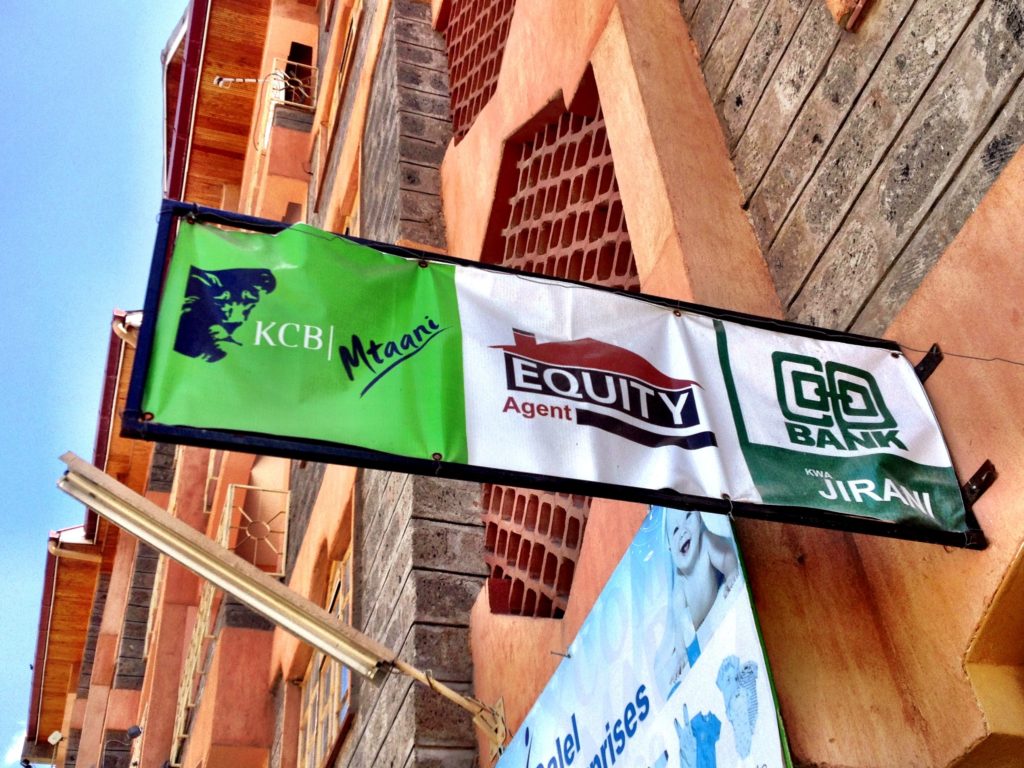
According to the 2024 Kenya Bankers Association (KBA) customer satisfaction survey, banks like KCB, Equity, and Co-op Bank received mixed reviews, with some customers praising fast resolution times while others cited delayed dispute handling.
Before opening an account, test their customer support by calling their hotline or visiting a branch. Some best banks in Kenya assign relationship managers to business clients or high-net-worth individuals, which can be a major advantage.
6. Security and Financial Stability
The safest bank in Kenya must offer strong security measures. Look for banks with:
- Encrypted platforms and two-factor authentication
- Fraud detection and real-time alert systems
- Regular cybersecurity audits
Beyond digital security, check that the bank is CBK-licensed and insured by the Kenya Deposit Insurance Corporation (KDIC), which guarantees deposits of up to KSh 500,000.
You should also assess a bank’s financial reports. Banks with large asset bases, healthy liquidity ratios, and positive credit ratings are more likely to withstand economic shocks.
7. Accessibility and Physical Network
Depending on your location and lifestyle, accessibility might be a deciding factor.
- If you live in an urban area and prefer digital banking, online-only or mobile-first banks may suffice.
- In rural areas, banks in Kenya with branch and ATM networks, or agent banking services, are essential.
- Frequent travelers may need banks with globally accepted cards (Visa, Mastercard) and international ATM access.
Some of the best bank Kenya options combine both, strong digital platforms and nationwide branch networks.
8. Reputation and Public Perception
The public image of a bank in Kenya speaks volumes. Read customer reviews on social media platforms like X (formerly Twitter) and Facebook. The 2023 SagaBrand report and other industry surveys measure trust, service quality, and customer loyalty.
While anecdotal evidence can be useful, cross-check it with CBK data, media reports, and financial disclosures. Best banks in Kenya maintain positive reputations through consistent service, innovation, and compliance.
9. Extra Services and Features
Some banks Kenya has offer more than just core banking. These include:
- Access to PayPal, PesaLink, or mobile wallet services
- Insurance and pension products
- Wealth management and financial planning
- Business training and SME hubs
- Sharia-compliant banking products
Such services can be important for diaspora clients, frequent travelers, or entrepreneurs. Although not always essential, they can provide additional value, especially when comparing similar banks.
10. Personal or Business Values
Lastly, consider a bank that matches your values or long-term goals. Some institutions focus on financial inclusion, supporting youth, or empowering women-owned businesses. Others are strong in corporate sustainability and social impact.
If you’re a small business owner, partnering with banks that offer SME development programs or loan guarantees could support growth. Revisit your choice periodically to ensure your bank in Kenya remains aligned with your evolving needs.
Jefferson Wachira is a writer at Africa Digest News, specializing in banking and finance trends, and their impact on African economies.