
By Thuita Gatero, Managing Editor, Africa Digest News. He specializes in conversations around data centers, AI, cloud infrastructure, and energy.
On Saturday, October 11th, the crypto world witnessed what can only be described as a financial earthquake. In a single day, more than $19.16 billion in leveraged positions was wiped out, the largest liquidation event in Bitcoin’s history.
For comparison, the Covid crash of March 2020 erased about $1.2 billion, and the FTX collapse of 2022 triggered $1.6 billion in liquidations. This one was almost twenty times larger than the Covid crash. For a market that thrives on volatility, this was not a dip, it was a reckoning.
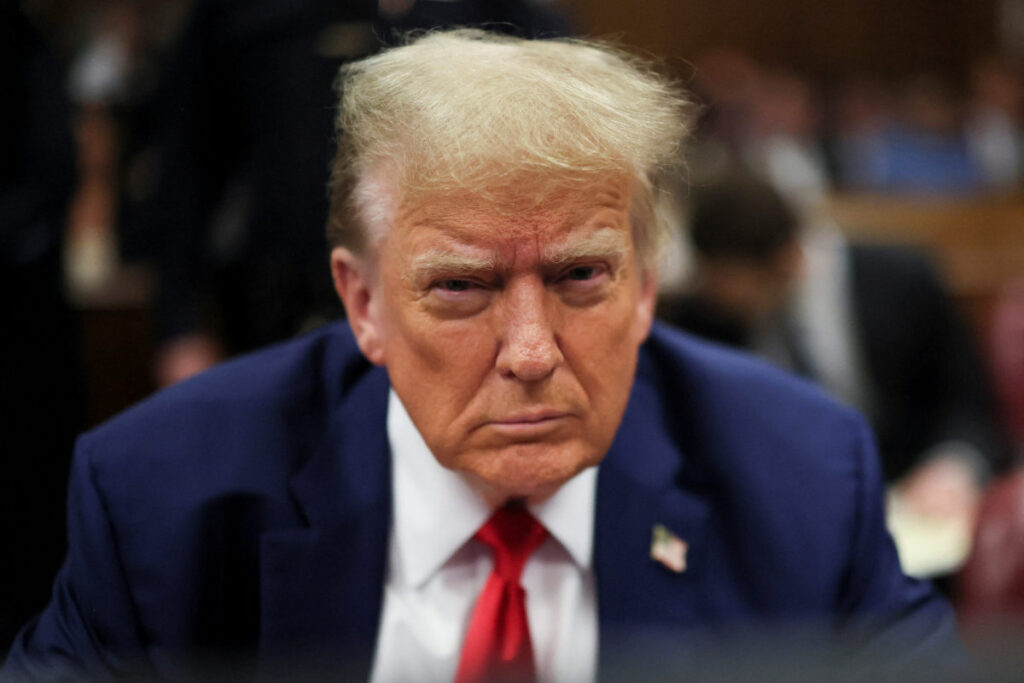
The spark came from politics, not code. News broke that Donald Trump was imposing 100 percent tariffs on Chinese imports starting November 1st, rekindling the ghosts of trade war and global slowdown. Within hours, the S&P 500, Wall Street’s most-watched index tumbled nearly 3 percent in a single session, its steepest daily fall this year. Bitcoin followed like a shadow, falling sharply as risk assets across the board sank in sync.
In truth, this is not just about one bad day. It is about how deeply the new digital economy remains entangled with the old one. For years, Bitcoin has been romanticised as a hedge against fiat systems, “digital gold” immune to central banks and political whims. Yet Saturday proved again that Bitcoin does not live in a vacuum. It breathes the same air as every other asset class. When fear rises, liquidity dries up, and Bitcoin bleeds.
The $19 billion liquidation tells its own story: a market built on leverage and faith. Many traders had borrowed heavily to bet on endless gains, encouraged by a year of upward momentum and institutional adoption. When Trump’s tariff news hit, those leveraged bets collapsed like dominoes, forced liquidations feeding on each other in an algorithmic spiral. It was not simply panic; it was math.
Still, calling this the end of the bull market may be premature. Every Bitcoin cycle has its crucible moment. In 2017, prices plunged 40 percent before roaring back to new highs. In 2020, the Covid panic sent Bitcoin below $5,000 only for it to rise tenfold within months. Volatility is not an interruption to Bitcoin’s story; it is the story.
What makes this correction different is its macroeconomic backdrop. Inflation remains sticky in the United States. China’s recovery is fragile. Global interest rates are still elevated, constraining liquidity everywhere from New York to Nairobi. For African investors, many of whom turned to Bitcoin as a hedge against weakening currencies, Saturday’s bloodbath was a reminder that crypto is global but risk is local. When Wall Street sneezes, Nairobi catches a cold.
Across the continent, Bitcoin had increasingly become a parallel savings instrument, a refuge from double-digit inflation in Nigeria, currency shortages in Egypt, and the weakening shilling in Kenya. But as this crash showed, even digital hedges are vulnerable when global capital flees to safety. The same forces that move gold, oil, and the dollar move crypto too.
The question now is whether Bitcoin can mature beyond speculation. Can it evolve from a high-risk gamble into a credible store of value in an era defined by political shocks and economic uncertainty? Or will it remain the mirror image of Wall Street’s excess, rising on euphoria, crashing on fear?
What is clear is that Bitcoin no longer belongs to the fringes. It sits at the intersection of geopolitics, macroeconomics, and digital innovation. The Trump tariff announcement may have been the spark, but the fuel was already there, over-leverage, over-confidence, and the belief that this time was different.
The bull market might not be over. But after October 11th, it’s no longer untouchable.