
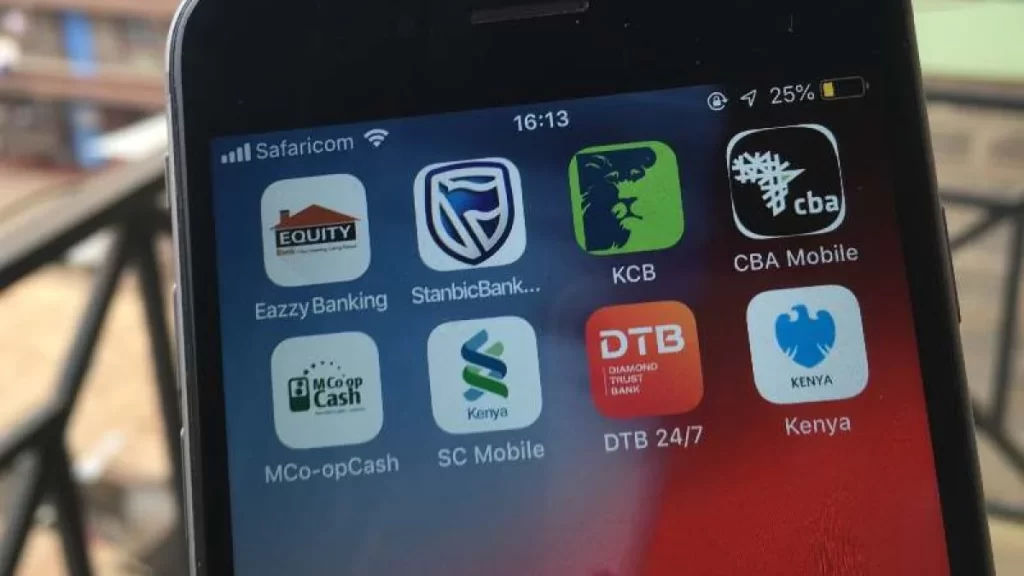
A banking app outage in Kenya is more than a technical inconvenience. Because digital banking is tightly interwoven with mobile money platforms such as M-Pesa and Airtel Money, even a short disruption can interrupt payments, delay commerce, and expose customers to fraud risks. With millions of Kenyans relying on mobile channels as their primary banking interface, downtime quickly spills into everyday economic activity.
Immediate Operational Disruptions
The most visible impact of an outage is the interruption of bank-to-mobile wallet transfers. Many households and small businesses depend on real-time transfers between bank accounts and mobile money to pay for transport, utilities, groceries, and peer-to-peer transactions. When the app layer fails, users may be unable to top up wallets or confirm incoming funds, delaying routine payments that typically happen within seconds.
Small and medium-sized enterprises feel the disruption almost immediately. Retailers that rely on instant confirmations to release goods may pause transactions, while online merchants can struggle to reconcile payments. Cash flow becomes uncertain when sellers cannot verify whether a customer’s transfer has cleared. For businesses operating on thin margins, even a few hours of interruption can translate into missed sales and delayed supplier payments.
Time-sensitive obligations are another pressure point. Rent transfers, school fees, subscription payments, and payroll instructions scheduled through mobile banking may stall if customers cannot access their accounts. While core banking systems may still be running in the background, the inability to initiate or confirm transactions through the app can create anxiety and administrative backlogs.
Alternative Channels That Stay Active
Banks typically maintain multiple transaction rails to reduce single-point failures. When a banking app goes offline, customers are often directed to lower-bandwidth channels that run on telecom infrastructure rather than internet data connections.
USSD banking codes remain the primary fallback. Services such as *247# for Equity, *522# for KCB, and *667# for Co-operative Bank allow customers to check balances, move funds, and pay bills through menu-based prompts. Because USSD sessions operate over the mobile network’s signaling channel, they can remain available even when app servers or data gateways are under strain.
Interbank transfers via PesaLink can also be accessed through USSD menus. This enables near-instant transfers between participating banks, offering a workaround when app-based interfaces are unavailable. Transaction limits and menu navigation can be more restrictive than in a full app environment, but the channel preserves essential functionality.
Agency banking provides a physical alternative. Customers can withdraw or deposit cash through neighborhood agents operating under bank partnerships, such as Equity or KCB agent outlets. While this requires in-person visits, it keeps liquidity circulating when digital access is constrained.
Elevated Security Risks During Downtime
Service interruptions often coincide with spikes in fraud attempts. Criminals exploit uncertainty and urgency, betting that customers will be more likely to trust unsolicited messages that appear to offer help.
Phishing and smishing campaigns frequently mimic official bank alerts, claiming that an account needs urgent verification due to the outage. Victims may be prompted to call a number controlled by fraudsters or click malicious links. Once engaged, attackers attempt to harvest login credentials, PINs, or one-time passwords.
Social engineering calls are another common tactic. Scammers pose as bank representatives who claim they can “restore” access if the customer shares personal details. Legitimate banks do not request sensitive credentials through calls or messages, but the stress of an outage can lower customer vigilance.
More advanced threats involve malicious apps or overlays that imitate a bank’s login screen. A frustrated user repeatedly attempting to access a failing app may not notice subtle differences in a fake interface, creating an opportunity for credential theft.
Infrastructure Stress and Customer Confidence
Behind the scenes, outages typically stem from server overload, software faults, maintenance errors, or connectivity issues between banks and telecom partners. Kenyan banks operate complex, layered systems linking core banking platforms, payment switches, and mobile gateways. A fault in any segment can cascade into customer-facing downtime.
Repeated disruptions can influence how customers perceive digital reliability. Users may temporarily shift toward cash transactions or diversify across multiple banking channels to reduce dependency on a single app. For banks, resilience planning, including redundancy, failover systems, and customer communication becomes central to maintaining trust in a market where mobile banking is the default interface.
What Customers Can Do During an Outage
Customers can reduce disruption by keeping multiple access channels active, including registering for USSD banking and understanding agent locations nearby. Verifying service updates through official bank communication channels, such as verified social media pages or customer care lines helps avoid fraud traps.
Equally important is maintaining strict credential hygiene. PINs, passwords, and one-time codes should never be shared, regardless of how convincing a message appears. Treating outage periods as high-risk windows for scams can prevent financial loss.
Jefferson Wachira is a writer at Africa Digest News, specializing in banking and finance trends, and their impact on African economies.