
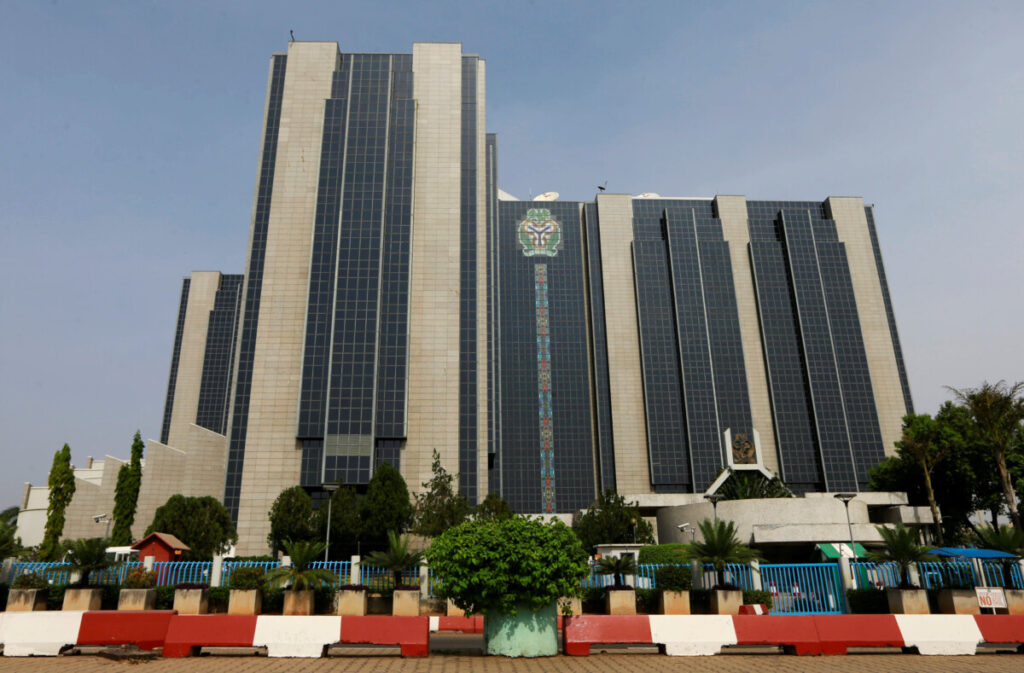
Following its March 10 circular, the Central Bank of Nigeria (CBN) is advancing the full automation of anti-money laundering systems across financial institutions. The mandate, formally titled the “Baseline Standards for Automated Anti-Money Laundering Solutions,” also covers combating the financing of terrorism (CFT) and countering proliferation financing (CPF). The directive replaces manual compliance with technology-driven monitoring, analytics, and reporting to address the rapid growth of digital transactions.
Implementation Timelines and Roadmaps
The CBN has specified a structured approach for adoption. All financial institutions are required to submit a detailed implementation roadmap within three months to the CBN’s Compliance Department. Full compliance deadlines vary: deposit money banks (DMBs) must implement systems within 18 months, while other financial institutions (OFIs) including fintechs, mobile money operators, and payment service providers have 24 months. The phased timeline is designed to allow institutions to integrate automated systems across operations while ensuring consistency and accuracy.
Real-Time Monitoring and Advanced Analytics
One of the main baseline standards is real-time transaction monitoring. Systems must instantly flag unusual patterns across multiple channels. To accomplish this, institutions must deploy artificial intelligence (AI), machine learning (ML), and predictive analytics. These tools are expected to detect anomalies, recognize behavioral patterns, and adjust risk scoring dynamically. Unified screening is also mandatory, covering international and domestic sanctions lists (including OFAC, UN, EU) and Politically Exposed Persons (PEPs).
Integration with National Databases
Automated AML solutions must integrate with Nigeria’s Bank Verification Number (BVN) and National Identification Number (NIN) databases. This enables real-time customer identification and verification, streamlines onboarding, and supports continuous risk assessment. Systems must also automate regulatory reporting, including Suspicious Transaction Reports (STRs) and Currency Transaction Reports (CTRs), directly to the Nigerian Financial Intelligence Unit (NFIU).
Customer Due Diligence, KYC, and KYB
Financial institutions are required to implement enhanced customer due diligence (CDD), Know Your Customer (KYC), and Know Your Customer’s Business (KYB) processes. Automated solutions must allow for continuous customer classification, dynamic risk profiling, and real-time reclassification based on transactional behavior and other risk indicators. Features such as related-party mapping, peer grouping analysis, and adaptive scenario calibration are mandated to reduce false positives and improve monitoring accuracy.
Risk Assessment and Transaction Monitoring
The CBN requires that automated solutions continuously assess customer risk at onboarding and throughout the customer lifecycle. Systems must track transactions, location, business type, and behavioral patterns, updating risk profiles as necessary. In addition to sanction and PEP screening, institutions must maintain internal watchlists and conduct adverse media monitoring. AI/ML-enabled anomaly detection is required to ensure timely identification of high-risk activities.
Regulatory Reporting and Case Management
Automated AML solutions must support comprehensive regulatory reporting covering STRs, CTRs, foreign currency transaction reports (FTRs), and other compliance obligations. Integrated enterprise case management systems must prioritize cases based on customer risk and alert severity. Workflow controls and audit trails are required to ensure accountability and transparency for all system-generated alerts and user actions.
Governance, Security, and Vendor Oversight
Boards and senior management are responsible for approving and overseeing AML system implementations. Automated systems must comply with Nigeria’s data protection laws, including encryption at rest and in transit, multi-factor authentication (MFA), and secure authentication protocols for sensitive roles. Institutions using third-party vendors must maintain clear vendor management policies and ensure full regulatory compliance. The CBN will conduct periodic inspections and validation exercises, with penalties for non-compliance.
Implications for Virtual Asset Service Providers
The directive extends to virtual asset service providers (VASPs), including cryptocurrency exchanges. Under Nigeria’s Money Laundering (Prevention and Prohibition) Act 2022 and the Investment and Securities Act 2025, VASPs are recognized as regulated financial institutions. Once the baseline standards are enforced, they will be required to implement automated AML solutions, despite the current restrictions on crypto trading in Nigeria.
Strengthening Nigeria’s Financial Crime Risk Management
The CBN’s mandate signals a decisive move toward modernized financial crime risk management. Automated AML solutions are expected to improve detection accuracy, reduce false positives, ensure compliance with domestic and international regulations, and enhance the integrity of the Nigerian financial system.
The draft Baseline Standards for Automated AML Solutions are available for stakeholders on the CBN website (www.cbn.gov.ng). Institutions are encouraged to review and provide feedback as full implementation begins, marking a critical phase in Nigeria’s shift to technology-driven AML enforcement.
Jefferson Wachira is a writer at Africa Digest News, specializing in banking and finance trends, and their impact on African economies.