
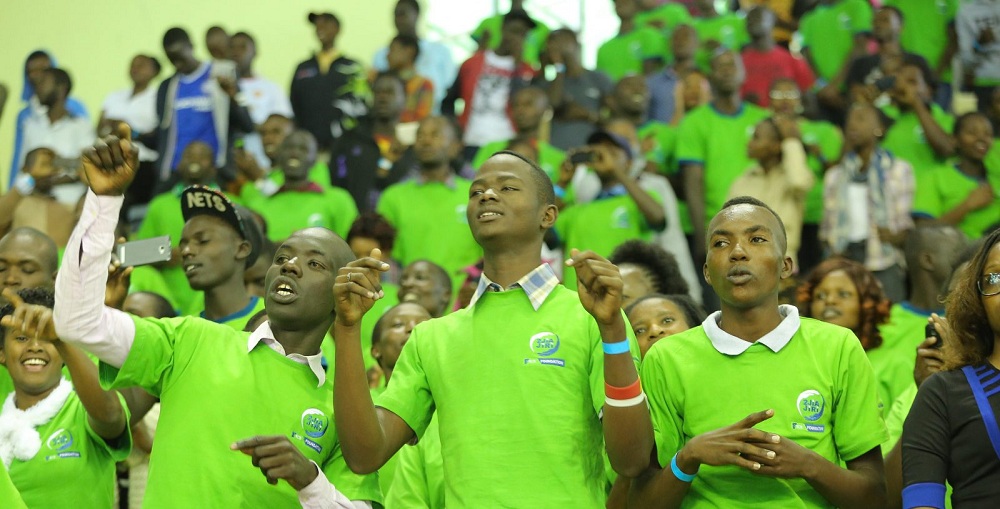
Youth unemployment in Africa continues to sit at the centre of economic discussions, but practical, large-scale interventions remain limited. About 57% of youth aged 15–35 are employed, with nearly 90% of those jobs in the informal sector. A further 23%, around 121 million young people, are classified as not in education, employment, or training (NEET) as of 2025. The pressure in Kenya is more pronounced. Youth unemployment among those aged 15–34 is estimated at 67%, far above the national average.
The KCB Foundation offers one of the more structured approaches, combining vocational training, enterprise support, and access to finance into a single model that moves beyond short-term interventions.
Established in 2007 as the social investment arm of KCB Group, the KCB foundation commits 1% of the bank’s pre-tax profits to programmes across six countries. That funding structure matters. It provides a predictable pool of capital that allows initiatives to run over multiple years, rather than being tied to one-off corporate campaigns.
Linking Skills to Capital
A key pillar of its work is the 2Jiajiri programme, launched in 2016. Its design focuses on a gap that has persisted across the region, which is young people leaving school without the technical skills or capital needed to enter the workforce. Instead of approaching this as a training problem alone, 2Jiajiri links three components: skills development, business support, and financing.
Participants are trained through accredited TVET institutions in sectors such as construction, agribusiness, automotive engineering, ICT, and beauty services. This is followed by mentorship and business coaching, then access to startup toolkits and loans at single-digit interest rates through KCB Bank. The sequencing is deliberate. Training without capital often leads nowhere, while financing without skills increases the risk of failure.
The numbers give some sense of scale. More than 35,000 youth have gone through the programme, with over 150,000 jobs created directly and indirectly. While these figures do not solve the wider unemployment challenge, they point to a model that can be replicated and expanded.
Partnerships have also played a role in extending reach. Collaboration with institutions such as the Mastercard Foundation has enabled the programme to target a wider pool of young people, particularly those in underserved communities, with a focus on long-term employment rather than short-term placements.
Education Pipeline and Inclusion
The KCB foundation’s education pillar follows a similar approach. The KCB Scholars programme supports high-performing students from low-income backgrounds through secondary school, covering tuition, materials, and living costs. It has also introduced a transition pathway into tertiary education, funding university and college fees for its graduates. Mentorship and post-secondary apprenticeships are built into the structure, linking education to employability.
There is also a deliberate inclusion framework. Half of the scholarship slots are allocated to girls, while 10% are reserved for persons with disabilities. The programme also includes learners who have faced disruptions such as early marriages, widening access beyond traditional academic pipelines.
Environment and Community Resilience
Beyond human capital, the KCB foundation’s environmental work focuses on community-level resilience. Tree planting initiatives have surpassed one million trees across Kenya, while water and sanitation projects target schools that lack basic infrastructure. These interventions are less visible than enterprise programmes but address constraints that directly affect productivity and quality of life.
Health and Humanitarian Support
Healthcare and humanitarian efforts round out the portfolio, with medical camps, facility support, and emergency response programmes in drought- and flood-affected regions. These activities tend to operate in the background, yet they fill gaps that public systems often struggle to cover consistently.
An Integrated Model for Impact
Taken together, the KCB Foundation’s model is less about isolated projects and more about building interconnected pathways, from education feeding into skills, skills into enterprise, and enterprise into income generation. It does not eliminate the structural challenges facing youth employment in East Africa, but it shows how financial institutions can deploy capital, partnerships, and operational scale to address them in a more coordinated way.
Jefferson Wachira is a writer at Africa Digest News, specializing in banking and finance trends, and their impact on African economies.