
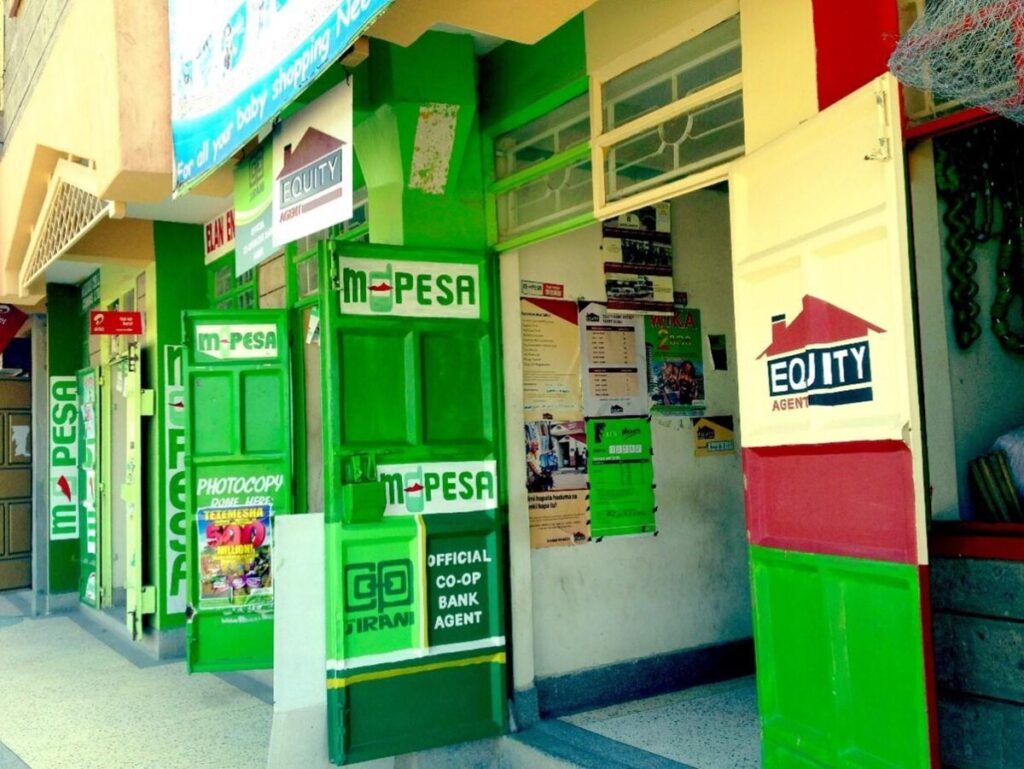
Agency banking has become one of Kenya’s most successful financial inclusion initiatives, helping commercial banks reach customers in areas where opening a traditional branch would be costly or impractical. Since the framework was introduced by the Central Bank of Kenya (CBK) in 2010, thousands of retail shops, supermarkets, petrol stations, and pharmacies have been transformed into banking touchpoints.
Today, agency banking in Kenya allows customers to deposit and withdraw cash, pay bills, transfer money, repay loans, check account balances, and even open bank accounts without visiting a bank branch. The model has helped banks expand their reach into rural and underserved areas while reducing operating costs and improving customer convenience.
What Is Agency Banking?
Agency banking is a system where licensed commercial banks appoint third-party businesses to offer selected banking services on their behalf. Instead of building a physical branch in every town or village, banks in Kenya partner with existing businesses such as shops, chemists, supermarkets, and petrol stations. These agents use Point of Sale (POS) devices or mobile applications connected directly to the bank’s systems. Customers can access basic banking services close to where they live or work, often outside traditional banking hours.
How Agency Banking Works
A bank recruits and trains a business owner to operate as an agent. Once approved, the agent receives access to the bank’s digital platform and can perform transactions for customers. Common services offered through banking agents include:
- Cash deposits
- Cash withdrawals
- Loan repayments
- Bill payments
- Balance inquiries
- Funds transfers
- Account opening
- Mini statements
- Government payment disbursements
Agents earn commissions on every transaction processed, creating an additional source of income for their businesses.
The Current Scale of Agency Banking in Kenya
- More Than 82,000 Active Agents
Agency banking has expanded rapidly over the past decade. Kenya now has more than 82,000 active banking agents spread across urban centers, small towns, and remote rural areas. Unlike traditional branches, these agents operate from existing businesses, making banking services available in locations that previously had limited access to formal financial institutions. The model has been particularly successful in agricultural regions where customers previously had to travel long distances to access banking services.
- Dominated by Large Banks
A handful of major lenders account for a large share of Kenya’s agency banking network. Programs such as Equity Bank’s Equity Agent and Co-operative Bank’s Co-op Kwa Jirani have built extensive nationwide footprints, helping millions of customers access banking services through local merchants.
- Strong Rural Presence
Agency banking has played a major role in extending financial services beyond major cities. By placing banking services within local communities, banks have reduced the geographical barriers that historically limited access to formal financial services. Farmers, small traders, and informal business owners can now transact without travelling to the nearest town center.
The Economic Impact of Agency Banking
- Processing Over KSh1.7 Trillion Annually
Agency banking has become a major transaction channel for commercial banks. The network processes more than KSh1.7 trillion annually, handling millions of transactions ranging from small deposits and withdrawals to loan repayments and government transfers. This high transaction volume demonstrates how deeply agency banking has been integrated into everyday financial activity.
- Supporting Local Businesses
For shopkeepers and other business owners, becoming a banking agent creates a secondary income stream through commissions. Many agents benefit from increased customer traffic, as customers visiting for banking services often purchase other goods and services. As a result, banking agents have become important economic hubs within their communities.
- Driving Financial Inclusion
One of the biggest achievements of agency banking has been its contribution to financial inclusion. Many Kenyans who previously operated entirely in cash have been brought into the formal financial system through local banking agents. The ability to save, deposit, and transact through a nearby outlet has encouraged greater participation in formal banking.
How Agency Banking Supports Access to Credit
Agency banking does more than facilitate transactions. Every deposit, withdrawal, and payment creates a digital financial record. Banks can use this transactional history to assess customer behavior and evaluate creditworthiness. For many individuals and small businesses that lack traditional collateral, these transaction records help support access to micro-loans and other financial products. This has expanded lending opportunities for customers who may not have qualified under conventional banking models.
Why Agency Banking Has Grown So Quickly
- Lower Costs for Banks
Building and operating a traditional bank branch requires substantial investment. Banks must pay for:
- Premises
- Security infrastructure
- Staff salaries
- Utilities
- Equipment
- Branding and maintenance
Agency banking eliminates much of this expense. Agents use their own premises, staff, and utilities while the bank provides the technology platform and oversight. This allows banks to expand their reach at a fraction of the cost of opening new branches.
- Deposit Mobilization
Agents attract thousands of small deposits from customers across the country. These deposits provide banks with stable and relatively low-cost funding that can be used to support lending activities. The model therefore contributes both to customer acquisition and balance sheet growth.
- Convenience for Customers
Agency banking solves one of the biggest challenges faced by customers outside major urban centers: distance. Previously, accessing banking services often required spending time and money travelling to a branch. With agents located within neighborhoods and villages, customers can complete transactions quickly and affordably.
- Familiar and Trusted Service Points
Many customers prefer dealing with local shopkeepers they know and trust. For individuals who may feel uncomfortable entering a formal bank branch, local agents provide a more accessible environment. This familiarity has helped encourage adoption among populations that were previously excluded from formal banking.
- Longer Operating Hours
Most bank branches operate during standard business hours. Agents, however, often remain open early in the morning, late into the evening, and during weekends. This flexibility allows customers to conduct transactions at times that fit their schedules.
How Agency Banking Helps Banks Improve Efficiency
- Reducing Branch Congestion
Before agency banking, many customers visited branches for routine transactions such as deposits, withdrawals, and balance inquiries. This created long queues and reduced service efficiency. By shifting these transactions to agents, banks have reduced congestion at branches and improved customer service.
- Allowing Staff to Focus on Complex Services
Agency banking enables branch employees to focus on higher-value activities such as:
- Mortgage applications
- Asset financing
- Investment products
- Business banking
- Insurance services
This improves productivity and allows banks to allocate resources more effectively.
Challenges Facing Agency Banking in Kenya
Despite its success, agency banking faces several operational and competitive challenges.
- Liquidity and Float Management
One of the biggest challenges for agents is maintaining sufficient cash and electronic float. Agents must balance:
- Physical cash available for withdrawals
- Electronic value available for deposits
Demand can fluctuate significantly throughout the month. For example, salary payment periods often generate high withdrawal demand, while market days may produce large deposit volumes. If an agent runs out of cash or float, transactions cannot be completed, leading to customer frustration and potential loss of business.
- Fraud and Cybersecurity Risks
As the network expands, fraud risks continue to evolve. Common threats include:
- Identity theft
- SIM-swap fraud
- Phishing scams
- Unauthorized transactions
- Agent impersonation
Banks continue to invest in training, monitoring systems, and cybersecurity controls to reduce these risks.
- Physical Security Concerns
Successful agents often handle large amounts of cash. This can make them targets for theft and robbery, particularly in areas with limited security infrastructure. Banks and agents must implement adequate security measures to protect both customers and cash holdings.
- System Downtime and Technical Issues
Agency banking depends heavily on digital connectivity. Network failures, system outages, delayed reversals, and transaction processing errors can disrupt services and affect customer confidence. Maintaining reliable technology infrastructure remains a key priority for banks.
- Competition from Mobile Money
Agency banking operates in one of the world’s most advanced mobile money markets. Services such as Safaricom PLC’s M-PESA provide customers with convenient digital payment options without requiring visits to an agent location. While banks often offer competitive pricing for larger transactions, mobile money continues to dominate many everyday peer-to-peer payments. This competition places pressure on banks to keep transaction fees affordable while maintaining attractive commissions for agents.
Jefferson Wachira is a writer at Africa Digest News, specializing in banking and finance trends, and their impact on African economies.