
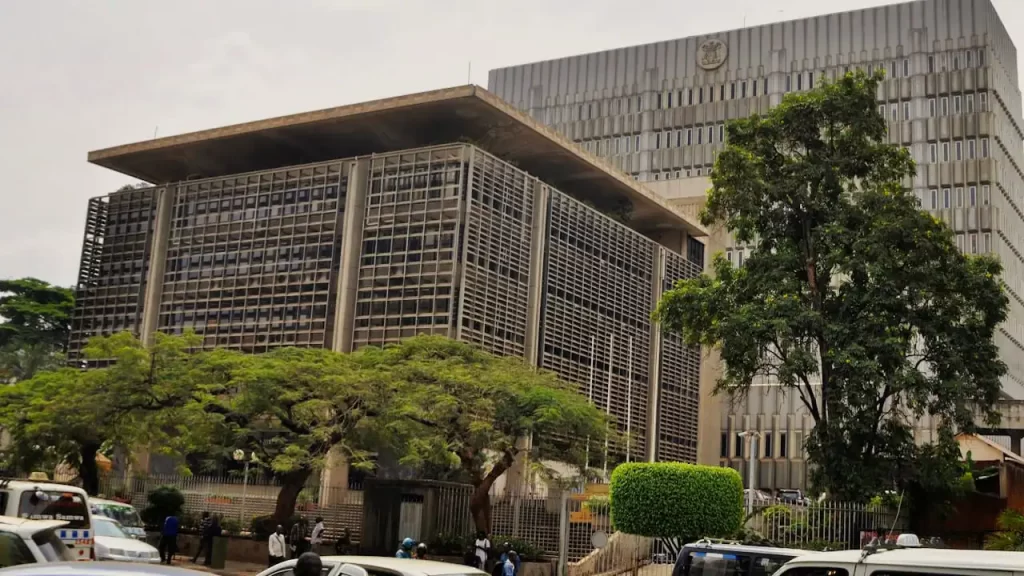
Uganda Government fixed income securities provide investors with a way to lend money to the government through the Bank of Uganda in exchange for returns over a specified period. The securities comprise Treasury Bills for short-term borrowing and Treasury Bonds for medium- to long-term funding.
The government uses the securities to raise funds, including for infrastructure projects, while investors receive returns according to the terms of each issue. The two securities differ in how investors receive their returns. Treasury Bills are sold at a discount and investors receive the face value at maturity, while Treasury Bonds pay interest through semi-annual coupon payments.
How a Uganda Treasury Bill Works
Treasury Bills are short-term securities with maturities of less than one year. They are issued for 91 days, 182 days and 364 days.
A Treasury Bill is purchased below its face value and redeemed at face value when it matures. For example, an investor buying a 364-day Treasury Bill with a face value of UGX10 million at a 12% yield would pay approximately UGX8.8 million.
At maturity, the government pays the investor the UGX10 million face value. The difference between the purchase price and the face value represents the return before applicable withholding tax.
How a Uganda Treasury Bond Works
Treasury Bonds are medium- and long-term securities, with maturities ranging from two years to as long as 25 years. Available tenors include two, three, five, 10, 15 and 20 years, with longer-term issues also available.
Treasury Bonds provide investors with periodic coupon payments during the life of the security and repayment of the principal at maturity. For example, an investor buying a UGX20 million, 15-year Treasury Bond with a 15% coupon would receive annual interest of UGX3 million.
Because the coupon is paid twice a year, the investor would receive UGX1.5 million every six months. The coupon payments continue for the 15-year term. At maturity, the government repays the UGX20 million principal.
How Often Uganda Government Securities Are Issued
The Bank of Uganda conducts auctions of government securities through the Central Securities Depository (CSD). Treasury Bills are generally auctioned once a month, while Treasury Bonds are auctioned twice a month. Bond auctions are typically spaced about two weeks apart.
The bond tenors are distributed across the auction dates. Mid-month auctions typically cover three-year, 10-year and 20-year bonds, while end-of-month auctions generally cover two-year, five-year and 15-year bonds.
The Bank of Uganda can also reopen existing bonds. Under a reopening, additional units of an existing bond are issued rather than creating a completely new security, allowing the outstanding issue to grow.
Who Can Invest in Uganda Government Securities?
Ugandan citizens, companies and other eligible local entities can invest in government securities. Foreign investors, including non-residents and Ugandans living abroad, can also access Uganda’s government debt market subject to the applicable identification, tax, banking and Know-Your-Customer requirements.
Local Ugandan investors generally need:
- An active commercial bank account in Uganda.
- A National Identification Number (NIN).
- The applicable tax identification details.
- Two recent coloured passport-sized photographs.
For companies, SACCOs and investment clubs, additional documentation can include a Business Registration Number, a certified certificate of incorporation and articles of association, and a board resolution authorising the investment.
Foreign investors generally require:
- A non-resident account with a commercial bank in Uganda.
- A valid international passport.
- A non-resident Uganda Revenue Authority TIN or validated foreign tax identification number, where applicable.
- Proof of the source of funds, such as a recent bank statement or tax documentation.
- A valid work permit or residence documentation for eligible investors living in Uganda.
Foreign corporate investors may also need incorporation or registration documents from their home jurisdiction and a Power of Attorney appointing a local investment agent or primary dealer.
Minimum Investment in Uganda Treasury Securities
The minimum investment amount provided for both local and foreign investors is UGX100,000, with foreign investors able to invest the equivalent amount in foreign currency before conversion into Uganda shillings.
The applicable withholding tax rate depends on the security and its maturity. The information provided indicates a 20% rate for bonds below 10 years and a 10% rate for bonds with maturities of 10 to 25 years.
How to Buy Uganda Government Treasury Bills and Bonds
Investors generally go through a commercial bank that participates in the government securities market. Banks identified as handling government securities include Absa Bank Uganda, Centenary Bank, Stanbic Bank, Standard Chartered Bank, Equity Bank and Housing Finance Bank.
1. Choose a Primary Dealer Bank
The first step is to select a commercial bank registered to handle government securities. The bank acts as the investor’s access point to the Bank of Uganda’s government securities market and assists with account opening, bidding and settlement.
2. Open a CSD Account
Investors need a Central Securities Depository account through their bank. The CSD account provides the electronic record through which the investor holds Uganda Government securities.
Investors complete the required account-opening documentation, while eligible diaspora investors may be able to complete some of the process remotely through their bank.
3. Select the Security and Submit a Bid
Investors can acquire Treasury Bills and Treasury Bonds through the primary or secondary market. In the primary market, investors submit bids during Bank of Uganda auctions for new or reopened securities.
Investors seeking securities with maturities such as three, 10 or 20 years can select the relevant bond offered at an auction.
Investors can also buy existing government securities through the secondary market if they miss a primary auction. In this case, the investor purchases a bond from an existing holder at the prevailing market value.
The information provided states that investors bidding below UGX200 million are classified as price takers, with their bids accepted at the average yield determined through the competitive auction.
4. Fund the Investment
The investor must have sufficient funds in the linked commercial bank account to cover the investment. The bank processes the payment and settles the transaction electronically through the relevant government securities infrastructure. Once the investment is completed, the Treasury Bill or Treasury Bond is recorded in the investor’s CSD account.
Forms Required to Invest
The investment process includes documentation submitted through the investor’s bank. The key documents identified include:
- CSD Form 101: This is the account-opening form used to establish the investor’s electronic securities profile.
- Primary Market Auction Bid Form: This is used when an investor wants to participate in a primary government securities auction.
The bank submits the relevant bid to the Bank of Uganda on behalf of the investor.
How Investors Receive Returns
The return structure depends on whether the investor buys a Treasury Bill or Treasury Bond. For Treasury Bills, the return is incorporated into the discounted purchase price. The investor pays less than the face value and receives the full face value at maturity.
For Treasury Bonds, investors receive coupon payments every six months throughout the bond’s term. The original principal is repaid when the bond matures.
Investors can therefore choose between shorter-term Treasury Bills and longer-term Treasury Bonds depending on the maturity period and payment structure offered by the respective security.
Primary and Secondary Markets
Uganda Government Treasury Bills and Bonds can be accessed through two markets. The primary market is where the Bank of Uganda auctions new or reopened government securities. Investors submit bids through participating banks.
The secondary market allows investors to buy or sell existing government securities after they have been issued. This provides an alternative for investors who want to acquire a bond outside a primary auction.
The price of a security purchased in the secondary market is based on prevailing market conditions rather than the original auction price.
Uganda Government Securities Auction Calendar
The Bank of Uganda’s auction schedule provides investors with recurring opportunities to participate in Treasury Bill and Treasury Bond auctions.
Treasury Bills are generally offered once a month, while Treasury Bonds are offered twice a month, with different bond tenors allocated to the respective auction dates.
The Bank of Uganda may also reopen existing securities to provide additional supply of established bonds and support trading in those issues.
For investors, the process therefore involves selecting a security, opening the necessary CSD and bank accounts, submitting an auction bid or purchasing an existing security, and receiving the applicable returns until maturity or sale.