

Opening a U.S. dollar account in Kenya has moved from a niche banking option to a mainstream financial tool for individuals and businesses managing cross-border payments, freelance income, or savings in foreign currency. With the Kenyan shilling experiencing periodic volatility, dollar-denominated accounts offer currency diversification, but they also come with operational, regulatory, and cost considerations that many first-time account holders overlook.
Here’s what prospective account holders should understand before opening a dollar account at a Kenyan bank.
Documentation and Eligibility Requirements
Most Kenyan banks treat dollar accounts as foreign currency current or savings accounts, meaning the onboarding process closely mirrors that of a standard shilling account, with additional compliance checks.
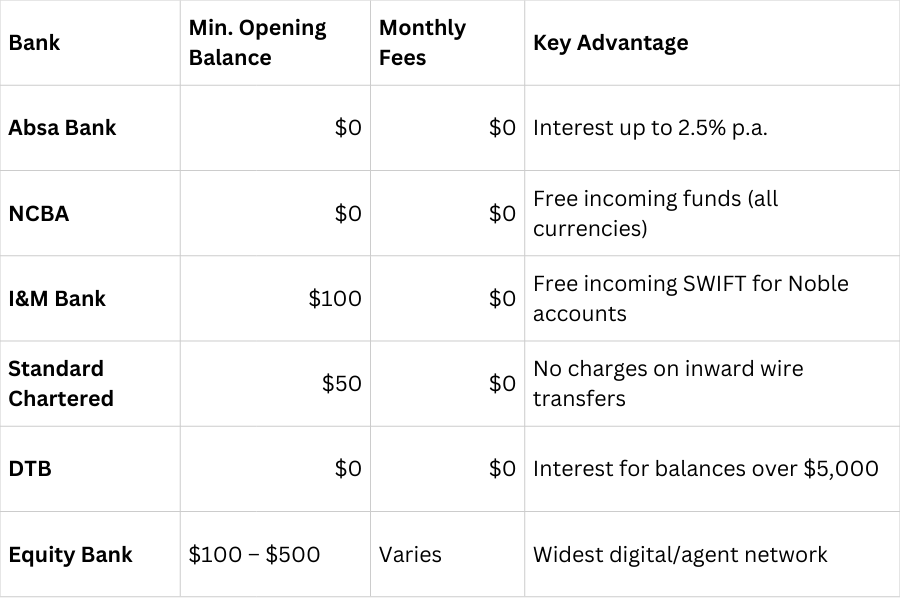
Applicants are required to present an original National ID card or a valid passport, alongside a Kenya Revenue Authority (KRA) PIN certificate. Banks also request proof of address, typically a recent utility bill or lease agreement to satisfy anti-money laundering (AML) requirements.
Non-resident customers face extra verification steps. Foreign nationals must provide valid immigration documentation such as a work permit, visa, or residency status. Banks conduct enhanced due diligence on foreign currency accounts due to cross-border transaction exposure.
Customers with U.S. tax obligations must complete Foreign Account Tax Compliance Act (FATCA) declarations. This includes submitting IRS forms W-9 or W-8BEN depending on residency status, enabling Kenyan banks to comply with U.S. reporting rules.
Transaction Costs and Currency Conversion Charges
Dollar accounts often advertise low maintenance fees, but the operational costs are embedded in transaction pricing.
Incoming international wire transfers typically attract handling fees in the range of $10 to $15 per transaction, although some banks periodically waive these charges for premium account tiers. Outgoing SWIFT transfers, common for tuition payments, supplier remittances, or investment funding can cost between $15 and $50 depending on destination and urgency.
Cash handling is another overlooked expense. Deposits or withdrawals of large physical dollar amounts, often above $5,000, may trigger handling charges ranging from 0.25% to 0.5%, reflecting currency processing and verification costs.
Currency conversion spreads represent a less visible but material expense. Banks quote separate buying and selling rates, and the margin can widen during periods of exchange rate volatility. For larger conversions, some customers opt to purchase foreign currency through licensed forex bureaus before depositing into their dollar accounts, where regulations permit.
Regulatory Oversight and Compliance Expectations
Foreign currency banking in Kenya operates under strict AML and financial reporting frameworks. Banks frequently require documentation confirming the source of funds, especially for large or recurring dollar inflows. Employment contracts, invoices, or remittance documentation may be requested to satisfy compliance reviews.
Physical note standards also matter. Kenyan banks maintain strict acceptance policies for U.S. dollar notes, typically rejecting torn, defaced, or older series bills. This reflects international anti-counterfeit controls and correspondent banking standards.
Failure to meet compliance documentation requirements can delay transactions or trigger enhanced account monitoring, particularly for accounts with cross-border activity.
Digital Integration and Cross-Border Payments
Modern dollar accounts increasingly integrate with international payment platforms. Many Kenyan banks allow customers to link their dollar accounts to services such as PayPal or Wise, enabling receipt of foreign currency without automatic conversion into shillings. This can help customers control timing around exchange rate movements.
Mobile banking platforms from major lenders also include foreign exchange alerts, allowing users to monitor rates and execute conversions when conditions are favorable. For freelancers, exporters, or remote workers earning in dollars, this functionality adds flexibility in currency management.
Strategic Considerations Before Opening
A dollar account is most beneficial for customers with regular foreign currency inflows, international obligations, or a hedging need against local currency swings. For occasional transactions, conversion costs and compliance requirements may outweigh convenience.
Prospective account holders should compare fee schedules, foreign exchange spreads, and digital capabilities across banks. Understanding transaction thresholds, documentation expectations, and note handling policies upfront can prevent operational surprises.
Dollar accounts provide currency diversification and transactional flexibility, but they function best when aligned with a clear financial purpose rather than as a passive savings alternative.
Jefferson Wachira is a writer at Africa Digest News, specializing in banking and finance trends, and their impact on African economies.