
Banks from Nigeria, South Africa, Kenya and Morocco are expanding deeper into other African markets as lenders seek new sources of growth, support customers operating across borders and reduce their exposure to economic shocks in individual countries.
The expansion is accelerating as African banking groups acquire businesses previously owned by European banks, enter markets with growing financial demand and position themselves for increased intra-African trade under the African Continental Free Trade Area (AfCFTA).
Fitch Ratings said in September that foreign subsidiaries are expected to make an increasing contribution to the earnings and assets of major African banking groups in the medium term. Its analysis covered 14 African banking groups with operations in at least five African countries and consolidated assets above $15 billion at the end of 2025.
Why African Banks Are Expanding
One of the main drivers is the withdrawal of European banks from parts of the continent. European lenders have been reducing their African exposure, creating opportunities for regional banks to acquire established subsidiaries rather than build operations from scratch. Fitch said the trend has particularly created opportunities in Francophone West Africa, where African banking groups are taking over businesses previously owned by European institutions.
The expansion is also being driven by the need to diversify revenue and assets across different economies. Banks in Nigeria, South Africa and Kenya have faced domestic macroeconomic challenges over the past decade. Expanding into other countries allows banking groups to spread their operations across several markets instead of relying heavily on one economy.
Fitch said geographic diversification can reduce banks’ exposure to weaknesses and shocks in individual countries while widening their revenue sources.
The growth of cross-border trade is another factor. AfCFTA is designed to increase trade and investment between African countries, potentially creating greater demand for trade finance, payments, foreign exchange and corporate banking services.
Payment infrastructure is developing alongside this process, including the Pan-African Payment and Settlement System (PAPSS), which is intended to make cross-border African payments more efficient.
Nigerian Banks Lead the Expansion
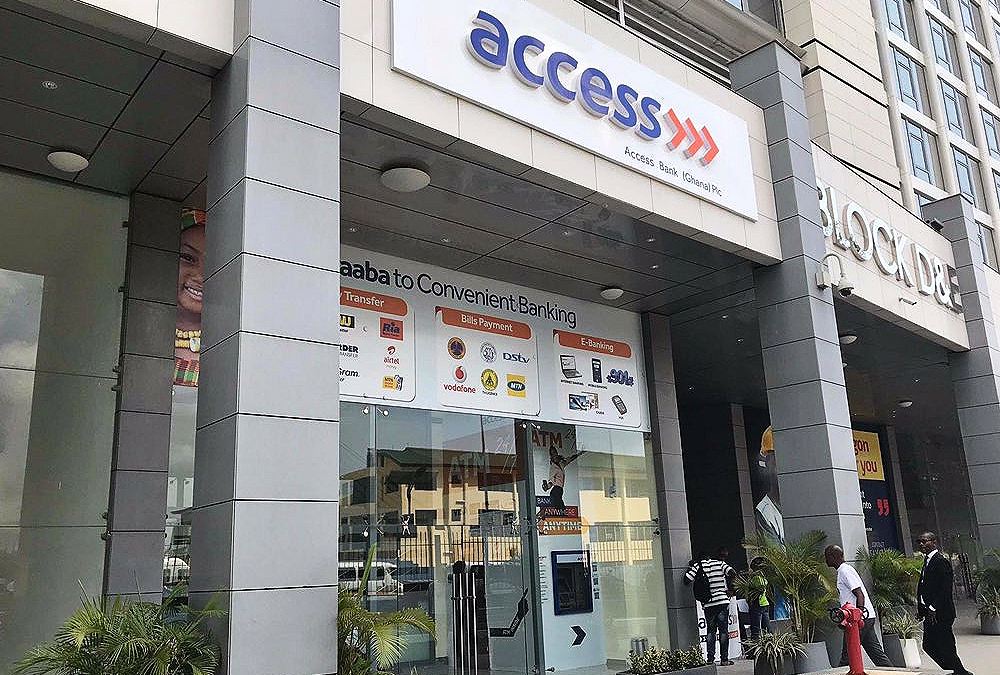
Nigerian lenders have been among the most aggressive African banks in expanding outside their domestic market. Access Bank, United Bank for Africa (UBA) and Zenith Bank have all increased their international presence in recent years, with foreign operations becoming a larger part of their consolidated businesses.
Fitch identified Access Bank as having the fastest pace of cross-border expansion among the African banking groups it reviewed. Foreign subsidiaries contributed 48% of Access Bank’s group net income in 2025, up from 30% in 2021, while their share of total assets increased from 23% to 51% over the same period.
The depreciation of the Nigerian naira also increased the relative contribution of foreign subsidiaries to the financial results of Nigerian banking groups.
UBA’s foreign subsidiaries accounted for 77% of its net income in 2025, compared with 44% in 2024, while foreign operations represented 52% of its total assets at the end of 2025. Fitch noted that the earnings contribution was partly affected by weaker domestic performance during the year.
Access Bank has expanded through several acquisitions, including businesses in Tanzania, Angola and Sierra Leone, as well as its acquisition of a 76% stake in Mauritius-based AfrAsia Bank.
Zenith Bank completed its acquisition of Kenya’s Paramount Bank in April 2026 and has also established a subsidiary in Côte d’Ivoire, extending its presence into Francophone West Africa. Its foreign operations generated ₦331.7 billion in pre-tax profit in 2025, representing 26.3% of group earnings, compared with 13.5% in 2024.
UBA, meanwhile, operates across about 20 African countries in addition to international markets including the UK, US, France and the UAE.
South African Banks Target East Africa
South African banking groups are also increasing their focus outside the domestic market, with Kenya emerging as a major destination. The country’s slower domestic growth has encouraged lenders to look for opportunities in higher-growth African economies. S&P Global Market Intelligence estimates South Africa’s GDP growth at about 1.3% in 2026, compared with 4.5% for Kenya.
Kenya is particularly important because of its position as a regional banking and business centre and its links to the wider East African market.
Nedbank has agreed to acquire a 66% stake in Kenya’s NCBA Group in a transaction valued at about $930 million. The deal would give Nedbank access to NCBA’s operations in Kenya, Uganda, Tanzania and Rwanda, alongside its digital banking capabilities.
Absa has also been increasing its ownership of Absa Bank Kenya. In August 2026, the group said it had increased its stake by 3.5 percentage points to 72% after seeking approval to acquire a further 16.5%.
Standard Bank is taking a broader approach. The group operates across roughly 20 African countries and has said it wants to deepen its position across the continent. It disclosed a R166.7 billion investment capacity for opportunities across its African markets and has identified East Africa as an area of continued focus.
FirstRand is also exploring an entry into Kenya after establishing a representative office, although its management has stressed the importance of disciplined pricing when considering acquisitions.
Kenyan Banks Move Into Central Africa
Kenyan banks are following a different regional path, with the Democratic Republic of Congo (DRC) becoming a major destination. The DRC joined the East African Community in 2022, strengthening its links with the region and creating opportunities for Kenyan financial institutions to serve businesses operating across the expanding trade corridor.
Equity Group and KCB Group have established substantial operations in the DRC, while other Kenyan lenders are also examining opportunities in markets including Ethiopia, Uganda and countries in southern Africa.
The DRC’s mineral economy and extensive use of US dollars in business transactions have also contributed to its importance for regional banking groups.
However, expansion in the DRC comes with regulatory considerations. Requirements concerning local ownership could require some foreign banking groups to reduce their holdings in local subsidiaries.
Moroccan Banks Maintain Their West African Position
Moroccan banking groups have a longer history of continental expansion, particularly across Francophone West and Central Africa. Attijariwafa Bank, Banque Centrale Populaire and Bank of Africa have built networks across countries including Côte d’Ivoire and Senegal through acquisitions and organic expansion.
Their recent trajectory differs from that of Nigerian and South African banks.
Fitch said the contribution of foreign subsidiaries to Moroccan banking groups has declined in recent years, but attributed this mainly to strong growth in Morocco rather than a retreat from African markets.
The Moroccan groups therefore remain important regional players, particularly in markets where their established networks serve corporate customers and facilitate cross-border business.