
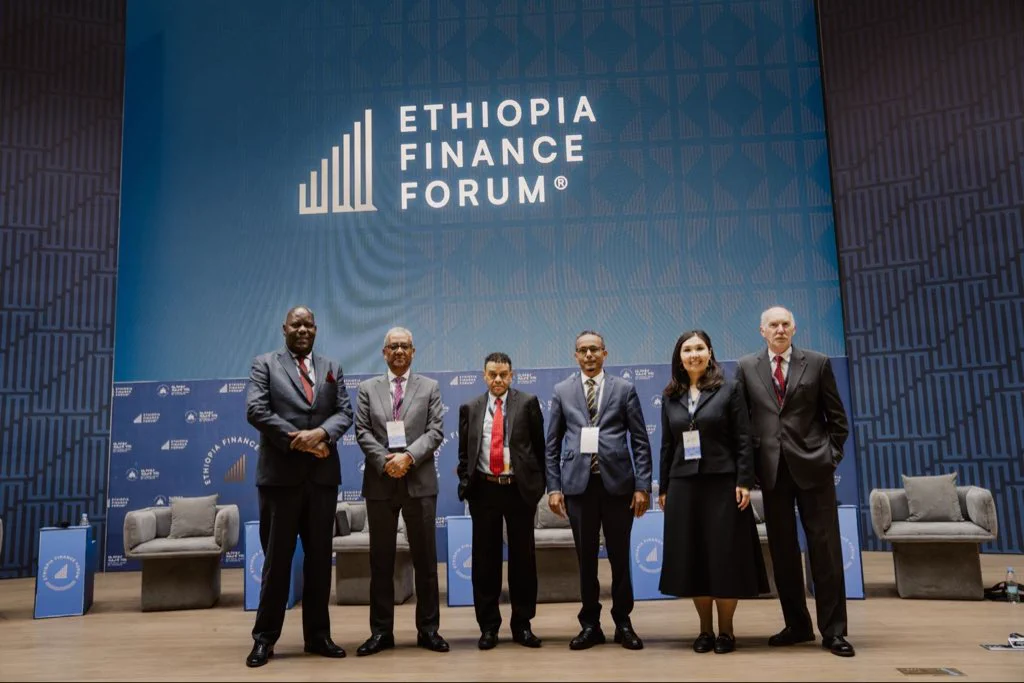
Ethiopia’s tightly controlled banking sector is on the brink of a fundamental overhaul after regulators and industry leaders at the Ethiopia Finance Forum 2026 outlined aggressive plans for market liberalization, foreign bank entry, and digital transformation.
Discussions at the forum centered on dismantling decades of protection for domestic lenders, aligning regulations with global standards, and integrating digital public infrastructure to expand financial access. Officials from the National Bank of Ethiopia (NBE) made clear that the changes will force local banks out of a sheltered environment into a competitive, internationally connected market.
Foreign banks and partnerships take center stage
NBE regulators at the Ethiopia Finance Forum 2026 set firm expectations for foreign investors seeking entry: long-term commitment, robust corporate governance, financial resilience, and meaningful technology transfer. The message was unambiguous—short-term opportunistic plays will not be welcomed.
Panelists warned that domestic banks must adapt rapidly to an accelerating pace of regulatory updates, including full alignment with the Basel Accords and clearing longstanding compliance backlogs. Failure to keep up, they indicated, could leave weaker institutions vulnerable.
Digital systems and consumer safeguards
A major theme was the convergence of digital public infrastructure. Systems such as EthSwitch and the Pan-African Payment and Settlement System (PAPSS), combined with mobile platforms like telebirr and digital offerings from banks including Bunna Bank, are expected to sharply reduce the cost and risk of serving micro, small, and medium enterprises.
As digital banking expands, the NBE stressed the urgent need to strengthen consumer protection: clearer pricing, better recourse mechanisms, and measures to build public trust.
Parallel sessions also focused on translating Ethiopia’s National Interest-Free Finance Strategy into coordinated action across banking, Takaful (Islamic insurance), and capital markets. Housing finance received dedicated attention, with discussions on national housing funds and dual-pillar models aimed at restructuring the entire ecosystem.
Five major impacts on Ethiopia’s banks
Analysts and participants at the Ethiopia Finance Forum 2026 sketched a clear picture of how these policy shifts will reshape the sector:
- Consolidation and foreign partnerships
The arrival of foreign banks is expected to trigger a wave of mergers and joint ventures. Local private banks will need to rapidly raise capital to meet rising NBE minimums. Those that cannot may be forced into defensive mergers. Well-capitalized players, such as Dashen Bank, are widely expected to sell minority stakes to regional giants like KCB Group in exchange for technology and international networks.
- Digital-first retail banking
With digital transactions surging, banks are set to shrink physical branch networks and pivot to digital distribution. Integration with EthSwitch will enable low-cost micro-loans and payments at scale. Real-time data from digital public infrastructure is expected to power automated credit scoring, bringing previously unbanked rural populations into the formal system.
- Capital markets and modern risk management
Closer alignment with Basel standards and the launch of the Ethiopian Securities Exchange will end the era of easy profits from high-interest government bonds and basic forex allocations. Risk management will move to the forefront as banks diversify into corporate bonds, equities, and structured products.
- Cross-border payments and remittances
Integration with PAPSS is poised to transform trade finance. Banks will be able to settle intra-African trade in Ethiopian birr, easing chronic foreign-exchange shortages. Streamlined digital remittance channels are expected to pull billions of dollars from the informal parallel market into the formal banking system.
- Product diversification
Banks will shift from short-term commercial lending toward longer-term consumer finance. A new Mortgage Refinance Company is designed to provide the long-term liquidity needed for 15- to 20-year home loans without creating dangerous maturity mismatches. At the same time, the National Interest-Free Finance Strategy is expected to drive rapid expansion of full-fledged Islamic banks and dedicated windows at conventional lenders, tapping large underserved Muslim populations.