
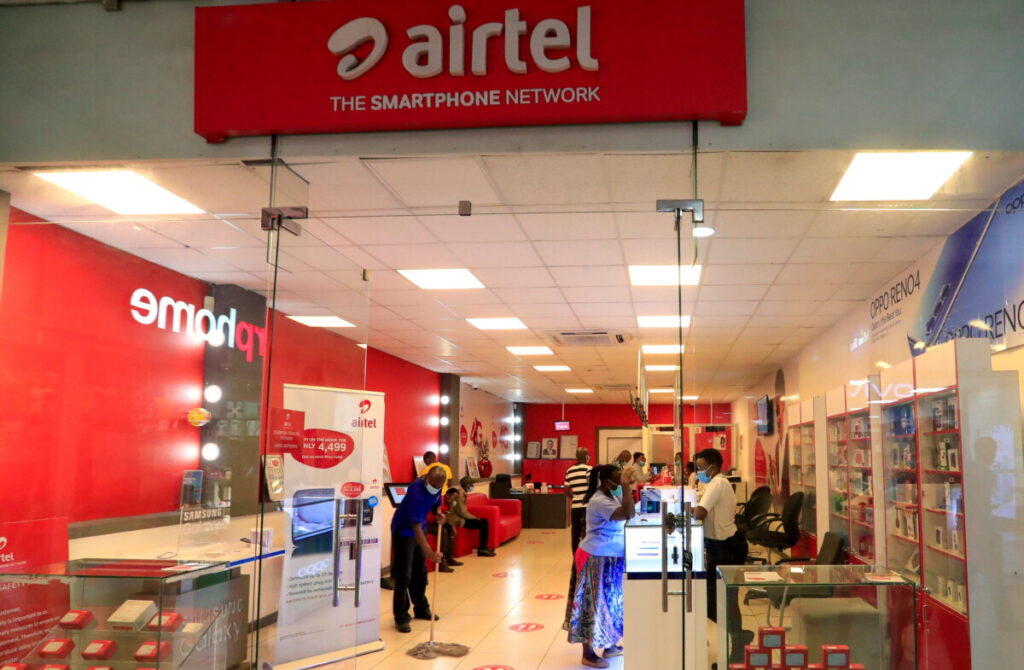
Airtel Africa is assessing a potential London IPO for its fintech unit Airtel Money. The proposed Initial Public Offering is structured to separate a high-growth digital payments business from a capital-intensive telecom parent, with a target raise of $1.5 billion to $2 billion and a potential valuation of up to $10 billion.
At that level, the Airtel Money valuation would place the platform among the largest fintech assets linked to Africa’s telecom sector. The unit has reported revenue of $986 million over a nine-month period, up 29.4% year-on-year, while its user base has surpassed 52 million. Growth in Airtel Money revenue has been driven by transaction volumes, merchant payments, and cross-border services, with Airtel Money users in 2026 continuing to expand at double-digit rates.
Valuation Clarity and Capital Strategy
The structure of the Airtel Money IPO is designed to create clearer price discovery. Fintech platforms often trade at higher multiples than traditional telecom businesses due to recurring revenue streams and lower incremental costs.
Separating the business through the IPO allows investors to assess its performance independently. Proceeds are expected to support debt reduction and capital expenditure, with Airtel Africa guiding for $875 million to $900 million in capex for 2026, focused on network upgrades that also support mobile money adoption.
Global Banks and Institutional Backing
Advisory work is being led by Citigroup Inc., with additional institutions handling the Airtel Africa IPO expected to join the syndicate. The presence of global banks points to the scale of the transaction and its positioning toward international capital markets. The platform’s investor base already includes TPG Inc., Mastercard Inc., and an affiliate of Qatar Investment Authority, reinforcing demand expectations ahead of any listing.
- Customer-Level Effects
For users, the implications of the IPO are operational rather than financial. Capital raised is expected to fund expansion into lending, savings, and merchant services, broadening Airtel Money’s product offering.
Infrastructure investment tied to the IPO could also improve service reliability. Expanded 4G and 5G coverage supports transaction speed and uptime, particularly in underserved areas. At the same time, regulatory pressure in markets such as Kenya to reduce transaction costs may intensify competition.
- Competitive Pressure in Mobile Money
Airtel Money has significantly increased its market share in Kenya to 11.0% by the end of December 2025, breaking into double digits for the first time and cutting into M-Pesa’s dominance, which fell below 90% (to 89.0%) in the same period. Additional capital from the IPO would support agent network expansion and customer acquisition, reinforcing its competitive position. Scale is increasingly important as mobile money evolves into a broader financial services ecosystem.
- Sector-Wide Impact
A successful high-profile listing in London for Airtel Money would establish a valuation benchmark for African fintech assets. Investors typically rely on comparable transactions when pricing similar companies, and this deal could influence how telecom-linked fintech businesses are assessed.
This has implications for peers considering similar moves, particularly as operators explore ways to separate high-growth digital units from legacy infrastructure businesses.
Why London Is Central
The effects of a listing in the London Stock Exchange include higher visibility, expanded analyst coverage, and potential inclusion in global indices. Companies listing in London gain access to deeper liquidity pools and a broader investor base. These factors can improve liquidity and support valuation stability over time.
However, a listing in the London Stock Exchange is different from a listing in the Nigerian Exchange, the Dubai Financial Market or Abu Dhabi Securities Exchange. London’s framework requires extensive disclosures, including ESG reporting and governance compliance under the UK Corporate Governance Code. Changes introduced in July 2024 have adjusted listing categories and governance rules, but the compliance burden remains substantial.
Regional Alternatives and Trade-offs
The option of listing on the Dubai Financial Market or Abu Dhabi Securities Exchange for Airtel Money was considered as part of the company’s strategy. UAE exchanges offer access to a growing investor base and a strategic geographic position, though listings often require anchor investors and face evolving infrastructure constraints.
The Nigerian Exchange provides access to domestic institutional capital, particularly pension funds, but is exposed to currency volatility and liquidity limitations.
Precedents from African Listings
Helios Towers, which listed in 2019, has used the platform to fund aggressive expansion across the continent, growing its EBITDA from roughly £145 million in 2021 to over £835 million by 2024. GTCO (formerly GTBank) London debut added £1.4 billion in market value, which helped it meet stringent Nigerian regulatory capital requirements and boosted local investor confidence. Additionally, Seplat Energy, who debuted in 2014, grew its market cap to £1.50 billion.
Timing and Next Steps
Chief Executive Officer Sunil Taldar had previously pointed to a mid-2026 timeline, though execution remains under review. Full-year results expected on May 8 are likely to provide further detail on performance and could influence final decisions.
The outcome of the Airtel Africa London IPO will shape how investors approach African fintech assets, with the Airtel Money IPO positioned as a test case for global capital markets’ appetite for digital financial services linked to telecom operators.
Jefferson Wachira is a writer at Africa Digest News, specializing in banking and finance trends, and their impact on African economies.