
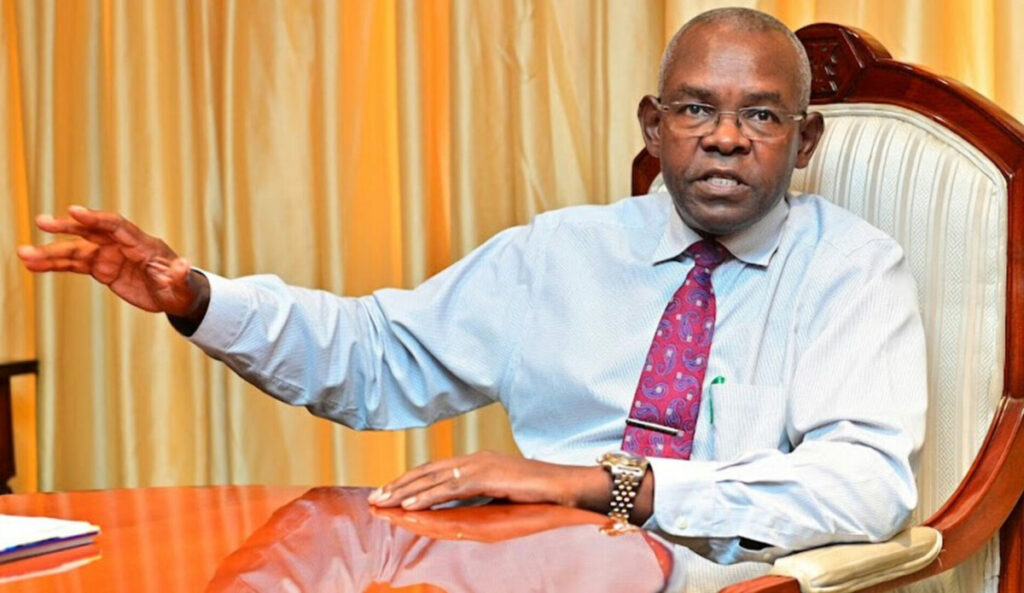
Kenya’s foreign exchange reserves have risen by $954 million in two weeks to $14.1 billion, supported largely by a $750 million financing package from the World Bank, Central Bank of Kenya (CBK) Governor Dr. Kamau Thugge has said.
Speaking at the 23rd East African Banking School (EABS) Conference held in Diani, Kenya, Dr. Thugge said the increase has strengthened the country’s external position, with foreign exchange reserves now covering about six months of imports.
The rise in reserves provides Kenya with a stronger cushion against external shocks, including heightened geopolitical risks in the Middle East and potential climate-related disruptions that could affect food production and import demand.
World Bank Financing Boosts Kenya’s Forex Reserves
Dr. Thugge attributed the recent improvement in Kenya’s fx reserves largely to the World Bank financing, which injected approximately $750 million into the economy. The additional inflows helped lift Kenya’s usable foreign exchange reserves to $14.1 billion, equivalent to six months of import cover.
The current reserve position is above Kenya’s statutory minimum requirement of four months of import cover and exceeds the East African Community (EAC) convergence benchmark of 4.5 months. The stronger reserve position gives the CBK greater capacity to manage volatility in the foreign exchange market while supporting confidence among investors and international lenders.
Safaricom Inflows and NCBA Investment Could Push Reserves towards $16 Billion
The CBK Governor said additional foreign currency inflows expected from corporate transactions could further strengthen Kenya’s reserves, potentially pushing them towards $16 billion. The projected increase would raise the country’s import cover to approximately seven months, creating an even stronger external buffer.
Among the expected inflows are Safaricom-related foreign currency receipts and South Africa-based Nedbank’s investment in NCBA Group. Nedbank’s investment in NCBA represents foreign direct investment into Kenya’s banking sector, bringing additional foreign capital into the country. The expected inflows come at a time when Kenya is seeking to maintain adequate dollar liquidity to support international trade, debt obligations and exchange rate stability.
Middle East Conflict Widens Kenya’s Current Account Deficit
Despite the improvement in foreign exchange reserves, Dr. Thugge noted that Kenya’s current account deficit has widened more than initially expected due to disruptions caused by the ongoing Middle East conflict.
The Gulf region accounts for approximately 10% of Kenya’s remittance inflows, contributing about $500 million annually. Disruptions affecting economic activity and financial flows in the region have slowed the pace of remittances, which remain one of Kenya’s largest sources of foreign currency.
The Middle East is also an important market for Kenyan exports, accounting for just under 10% of export earnings. Key exports to the region include tea, coffee and horticultural products. Reduced demand, logistical challenges and trade disruptions linked to geopolitical tensions have placed additional pressure on Kenya’s external balances.
CBK Expects Capital Inflows to Support Shilling Stability
The CBK expects foreign direct investment, multilateral financing and other capital inflows to maintain a strong balance-of-payments position and support stability in the Kenya shilling. Dr. Thugge said continued inflows from development partners and private sector investments would help offset pressures arising from the wider current account deficit.
The central bank has maintained that adequate foreign exchange reserves are critical in ensuring that dollar supply remains sufficient to meet market demand and prevent excessive exchange rate volatility. The Kenya shilling has faced pressure from global factors, including high international interest rates, elevated commodity prices and increased demand for foreign currency.
Kenya Builds Buffer Against Global and Climate Risks
The CBK Governor said Kenya expects foreign exchange reserves to remain above 5.5 to six months of import cover, providing protection against future economic shocks. The reserve buffer is expected to help the country manage risks arising from further escalation of the Middle East conflict, which could affect oil prices, trade flows and global supply chains.
Kenya also faces potential climate-related risks, including El Niño-related disruptions that could affect agricultural output, infrastructure and food imports. Maintaining higher reserves provides the government and the central bank with greater flexibility to respond to unexpected external shocks.
Banks Urged to Strengthen Digital Credit Risk Management
The EABS Conference also focused on the growing challenges facing banks as financial services become increasingly digital. Organized jointly by the Kenya Bankers Association, the Uganda Institute of Banking and Financial Services and the Tanzania Institute of Bankers, the conference highlighted the need for stronger regional approaches to managing credit risks.
Financial sector leaders discussed strategies to reduce non-performing loans (NPLs), improve digital credit governance and leverage artificial intelligence and data analytics in credit assessment.
Banks across East Africa are increasingly adopting automated credit scoring models and customer behavior analytics to improve lending decisions, manage risks and expand access to financial services. The discussions come amid rapid growth in digital lending, which has increased the need for stronger compliance frameworks, reporting standards and responsible lending practices across the region.
Jefferson Wachira is a writer at Africa Digest News, specializing in banking and finance trends, and their impact on African economies.