
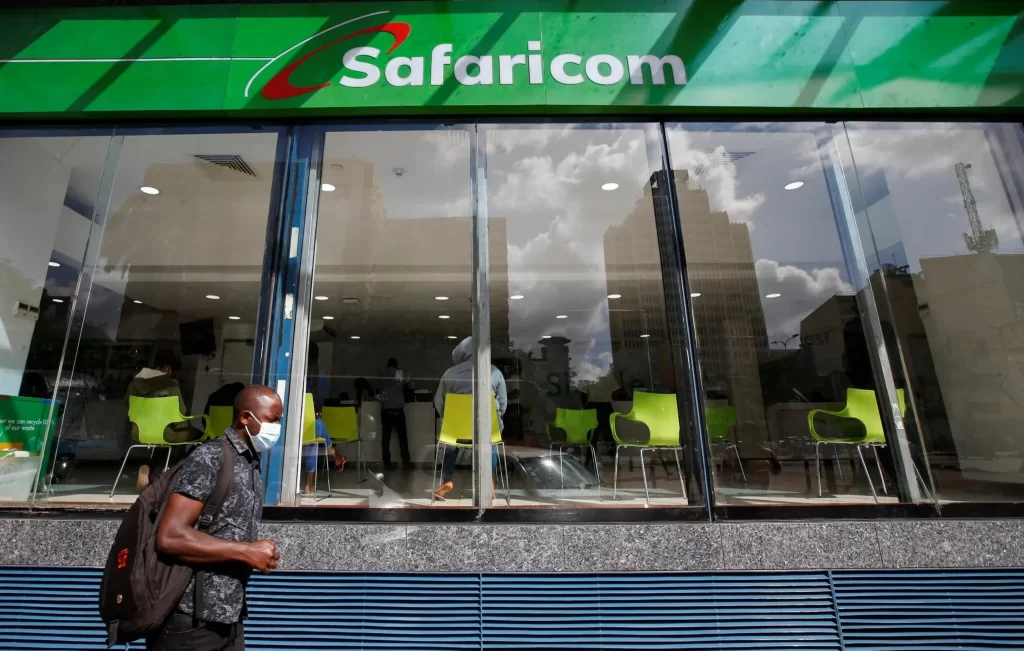
Safaricom PLC has issued an explanatory memorandum outlining 14 special resolutions proposed by Vodafone Kenya Limited ahead of the company’s Annual General Meeting (AGM) scheduled for 31 July 2026.
The proposed resolutions seek to amend Safaricom’s Articles of Association, introducing changes that would affect shareholder representation, board composition, executive appointments, government shareholder rights, dividend governance, and decision-making processes.
The Safaricom Board said it would not recommend that shareholders vote either in favour of or against the resolutions, stating that its role was limited to presenting the proposals to members as required under Kenyan company law. Instead, shareholders have been encouraged to independently review each proposal before voting during the AGM.
Vodafone Kenya Invokes Companies Act Rights to Propose Resolutions
The resolutions were submitted by Vodafone Kenya Limited under Section 312 of the Companies Act, Cap 486 of Kenya, which allows qualifying shareholders to require a company to circulate proposed resolutions for consideration at a general meeting.
Safaricom confirmed that Vodafone Kenya’s requisition was received on 6 July 2026, before the AGM notice was issued. Although the submission came less than six weeks before the meeting, the company said it remained valid under Section 312(4) (d) of the Companies Act. As a result, Safaricom was legally required to include the proposed resolutions in the AGM notice distributed to shareholders.
Each of the 14 proposals will be considered separately as an individual special resolution. Under Kenyan corporate law, each resolution requires approval from at least 75% of votes cast by shareholders entitled to participate, either personally or through proxies.
Proposed Changes to Safaricom’s Governance Structure
The resolutions primarily focus on amendments to Safaricom’s Articles of Association, with several proposals affecting the relationship between Vodafone Kenya, the Government of Kenya, and the company’s board.
One of the proposed amendments seeks to update terminology used for the government shareholder. Resolution 1 proposes replacing the definition of “PST” with “CST”, referring to the Cabinet Secretary to the Treasury or an entity holding assets on behalf of the Government of Kenya.
The change would update references to the government shareholder across Safaricom’s Articles. Another proposal clarifies the definition of Vodafone Kenya Limited within the Articles, ensuring that the term excludes Safaricom itself and remains valid if Vodafone Kenya changes its name.
Proposed Expansion of Board Representation Rights
Under the proposed changes, Vodafone Kenya would be entitled to appoint one director for every complete 10% of issued share capital it holds, with the existing limit on appointments removed. Similarly, the Government of Kenya would receive equivalent rights, allowing it to appoint one director for every complete 10% of its shareholding.
The proposed amendments would also remove the current maximum limit on the number of directors while maintaining a minimum board size of seven members. The proposal further requires that a majority of Safaricom’s independent non-executive directors must be Kenyan citizens. If approved, the changes would allow board representation to more closely track the ownership interests of Vodafone Kenya and the government.
Changes Proposed For CEO Appointment and Board Decision-Making
Another significant proposal relates to the appointment of Safaricom’s Chief Executive Officer. Resolution 9 proposes that, while Vodafone Kenya holds more than 50% of Safaricom’s shares, the CEO would be selected from a list of nominees provided by Vodafone Kenya. The proposal would limit the Board’s selection process to candidates included on Vodafone Kenya’s nominee list.
The resolutions also introduce new mechanisms for handling board deadlocks. Under Resolution 10, a persistent board deadlock would be resolved through a decision involving directors appointed by Vodafone Kenya and the Government of Kenya. Other proposals include adjustments to board quorum and written director resolutions, with both requiring approval through a simple majority of directors.
Government Approval Rights Over Strategic Decisions
One of the proposed amendments would introduce additional government consent requirements for certain strategic decisions. Resolution 8 maintains the requirement for a 75% board vote on specific matters while adding the need for Government of Kenya approval for significant brand changes and expansion outside Kenya and Ethiopia. The proposal would preserve certain strategic rights for the government shareholder while allowing other decisions to continue through ordinary board approval processes.
Dividend Policy and Reserve Management Changes
The proposed amendments also seek to strengthen the role of Safaricom’s dividend policy in determining how profits are distributed. Resolution 13 proposes that directors comply with the approved dividend policy when declaring or recommending dividends.
Resolution 14 would make directors’ ability to set aside reserves subject to the company’s dividend policy. The changes would limit the board’s discretion over dividend-related decisions by tying them to an established policy framework.
Safaricom Directors Declare Interests in Proposed Amendments
Safaricom noted that some directors serving on the Board are nominees of Vodafone Kenya and the Government of Kenya. Because the resolutions relate directly to the rights of these shareholders, the affected directors have declared their interests.
However, Safaricom said there was no conflict affecting the Board’s position because directors were not making any recommendation on whether shareholders should approve or reject the proposals. Vodafone Kenya and the Government of Kenya, as shareholders, will be entitled to vote according to their respective shareholdings.
Shareholders to Vote through Poll at Safaricom’s July AGM
All 14 proposals will be voted on through a poll during Safaricom’s 31 July 2026 AGM. The company said shareholders can access the full text of the proposed amendments and marked-up versions of the affected Articles of Association through its official website.
If approved, Safaricom will file the amended Articles with the Registrar of Companies within 14 days, as required by law. The company also clarified that the Capital Markets Authority Kenya does not approve company Articles of Association, although significant amendments must be publicly disclosed.
Jefferson Wachira is a writer at Africa Digest News, specializing in banking and finance trends, and their impact on African economies.