
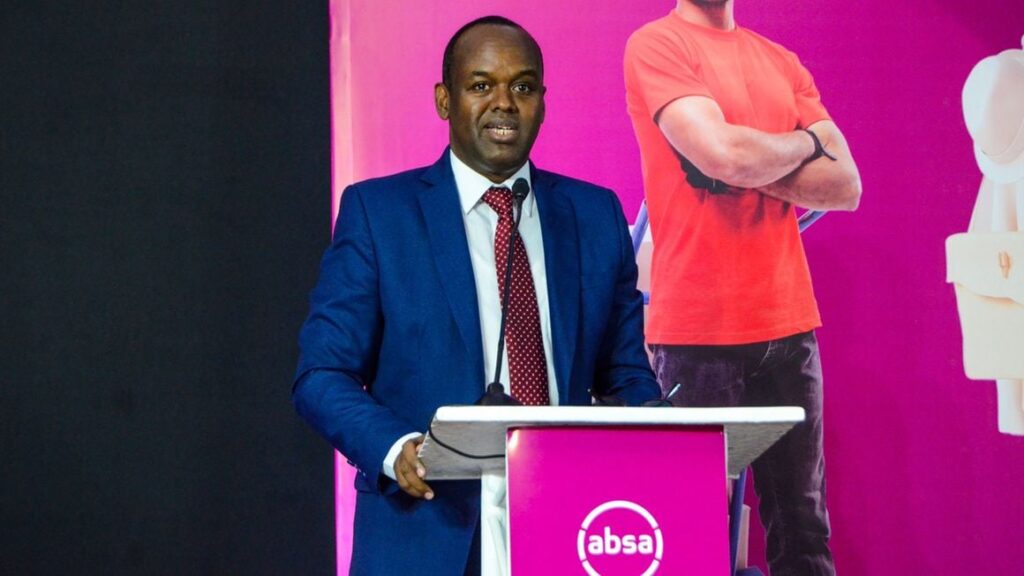
Absa Bank Kenya leadership timeline traces more than a century of transformation, from a colonial banking outpost established in 1916 to one of Kenya’s largest listed commercial banks, with each leadership era overseeing major changes in ownership, strategy and customer focus.
The latest transition follows the resignation of Absa Bank Kenya Managing Director and CEO Abdi Mohamed in June 2026, bringing another chapter to the lender’s executive history as Chief Financial Officer Yusuf Omari takes over on an interim basis pending the appointment of a substantive chief executive.
1916–1986: Building Barclays Bank Kenya
Absa Bank Kenya’s origins date back to 1916 when the National Bank of South Africa opened its first branch in Mombasa to serve growing commercial activity in British East Africa. Following international banking mergers, the institution became part of the Barclays Bank (Dominion, Colonial and Overseas) network in 1925, laying the foundation for what would later become Barclays Bank of Kenya.
The bank formally incorporated in Kenya in 1978 as Barclays Bank of Kenya Limited, operating as a subsidiary of Barclays Bank International.
Eight years later, in 1986, the lender listed on the Nairobi Securities Exchange (NSE), selling 30% of its shares to the public through what was then one of Kenya’s most subscribed initial public offerings.
Key Absa Bank Kenya milestones:
- 1916: National Bank of South Africa opens its first Kenyan branch in Mombasa.
- 1925: Bank becomes part of Barclays DCO following global mergers.
- 1978: Barclays Bank of Kenya Limited is locally incorporated.
- 1986: Shares are listed on the Nairobi Securities Exchange.
- 2002–2013: Adan Mohamed oversees corporate banking growth
Adan Mohamed joined Barclays Bank of Kenya as Finance Director before rising to become Managing Director with responsibility for East and West African operations.
During his tenure, the bank expanded its corporate banking franchise while strengthening lending and risk management frameworks. Mohamed left the lender in 2013 after more than a decade in senior leadership to join the Kenyan government.
2013–2023: Jeremy Awori Leads Transformation and the Absa Rebrand
Jeremy Awori became Managing Director and CEO in February 2013, beginning a decade that reshaped the lender’s identity and market strategy.
One of the biggest developments came in 2016 when Barclays PLC announced plans to reduce its shareholding in its African operations following regulatory changes in the United Kingdom. The move resulted in the consolidation of African businesses under the South African-based Absa Group.
- The 2020 rebrand
After several years of preparation, Barclays Bank of Kenya officially changed its legal name to Absa Bank Kenya PLC on February 18, 2020.
The transition involved replacing the Barclays brand across branches, digital platforms, customer systems and corporate infrastructure as the bank completed its separation from its former British parent.
- Retail banking expansion
Awori also expanded the bank’s retail banking business through increased investment in digital banking. Among the initiatives introduced during this period was Timiza, the mobile lending and savings platform that broadened access to digital financial services for individual customers. Awori stepped down in 2022 after being appointed Group CEO of Ecobank Transnational.
2023–2026: Abdi Mohamed’s Tenure
Following Awori’s departure, Chief Financial Officer Yusuf Omari served briefly as interim Managing Director before Abdi Mohamed officially assumed office on May 1, 2023, after receiving approval from the Central Bank of Kenya.
Mohamed brought nearly three decades of experience within the Barclays and Absa network, having spent 28 years in various leadership positions across the organisation.
- Record profitability
During Mohamed’s tenure, Absa Bank Kenya increased its focus on non-interest funded income by expanding businesses including asset management, bancassurance and custody services.
The lender reported a record profit after tax of KSh22.9 billion for the 2025 financial year, while continuing to manage asset quality through tighter credit risk management. The bank also reported a non-performing loan ratio of 11.6% despite a challenging operating environment.
Jefferson Wachira is a writer at Africa Digest News, specializing in banking and finance trends, and their impact on African economies.