
Microfinance banks in Kenya play a central role in extending financial services to people who may not meet the requirements of traditional commercial banks. These institutions mainly serve small business owners, informal traders, farmers, and community savings groups by offering accessible loans, simplified account opening processes, and flexible collateral options.
Unlike large banks that often require strict credit histories and formal security like title deeds, microfinance banks focus on cash flow, group guarantees, and business activity. This makes them a practical option for borrowers who rely on daily income or seasonal earnings.
The top microfinance banks in Kenya offering loans, savings, and SME support include:
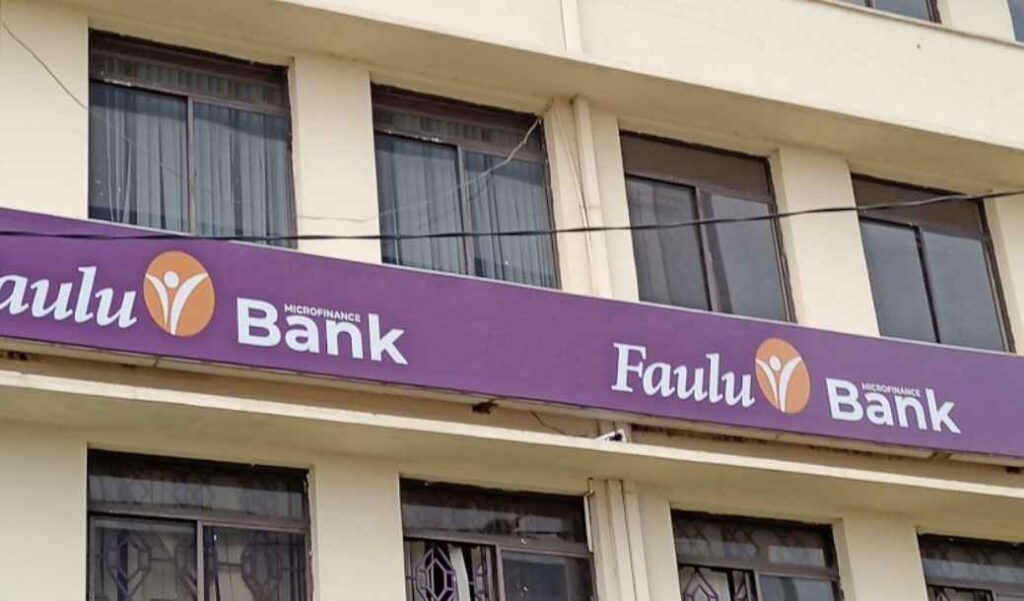
1. Faulu Microfinance Bank
Faulu Microfinance Bank is one of the most established microfinance institutions in Kenya, with a strong presence in both urban and rural areas. It serves individuals, SMEs, and organized groups, offering a mix of traditional banking and digital financial services.
Faulu provides a wide range of banking solutions designed for everyday use. Customers can access savings and current accounts tailored for individuals, businesses, and group savings such as chamas. The bank also supports mobile banking and USSD services that connect directly with M-Pesa, making it easier to handle deposits, withdrawals, and bill payments without visiting a branch.
Digital banking tools allow customers to check balances, transfer funds, and manage accounts conveniently from their phones or computers. At the same time, Faulu Microfinance Bank maintains a strong branch network across Kenya, which continues to serve customers who prefer face-to-face banking, especially small traders and rural entrepreneurs.
Faulu offers structured lending products designed to meet different financial needs. The SME Biashara Loans are aimed at working capital, stock purchases, and business expansion, with repayment terms that can run for several years. The Imara Loan serves individuals looking for long-term financing for needs such as education, home improvement, or other major expenses.
Faulu Microfinance Bank also provides Micro and SME financing that scales based on business performance and account activity, ranging from smaller facilities to multi-million-shilling limits for established customers. Asset financing is also available for customers seeking to purchase vehicles, machinery, or agricultural equipment.
2. Kenya Women Microfinance Bank
Kenya Women Microfinance Bank is the largest microfinance bank in Kenya by customer base and has built its operations around financial inclusion, particularly for women entrepreneurs and rural communities. The bank has a strong presence across most counties in Kenya, including underserved rural areas where access to formal banking remains limited. It operates through branches and field officers who support local communities directly.
Account opening requirements are simplified to allow small traders and low-income earners to access financial services more easily. In addition, mobile and agency banking channels allow customers to transact without visiting physical branches, improving access in remote areas. KWFT is also widely used by chamas and women-led groups that rely on collective savings as a foundation for borrowing and financial planning.
KWFT’s lending model is largely based on group trust and shared responsibility. Chama loans allow members to save together and guarantee each other’s borrowing, giving them access to credit even without traditional collateral. Individual loans are also available and can be supported by alternative forms of security such as household goods, livestock, or business stock. The bank also provides agribusiness and asset loans designed to match farming and small business income cycles, making repayment more manageable. Loan sizes often increase gradually as borrowers build a repayment track record with the institution.
3. Rafiki Microfinance Bank
Rafiki Microfinance Bank itself is a modern, technology-driven institution focused on speed, convenience, and SME financing. Rafiki offers a strong digital banking experience through internet banking, mobile platforms, and ATM cards linked to major payment networks. This allows customers to manage their accounts efficiently without relying heavily on branch visits.
The bank also provides merchant payment solutions that enable small businesses to receive payments directly into their accounts, improving cash flow and reducing reliance on cash handling. Its digital onboarding process reduces paperwork and shortens the time required to open and activate accounts. These features make Rafiki particularly attractive to urban SMEs, salaried workers, and contractors who prefer fast, flexible banking services.
Rafiki Microfinance Bank provides a mix of short-term and structured financing options. The Msingi Bora Loan is designed for micro-traders who need quick working capital, with relatively fast approval processes. Salaried individuals can access unsecured personal loans and salary advances, often processed through mobile channels for convenience. The bank also offers trade finance solutions such as LPO financing, bid bonds, and performance guarantees, which are especially useful for contractors working with government or private sector tenders.
4. SMEP Microfinance Bank
SMEP Microfinance Bank is a faith-based institution that focuses on supporting small businesses, agricultural activities, and community-based groups. SMEP offers savings and group banking products designed to be affordable and accessible. Its savings accounts have no monthly ledger fees and offer competitive interest rates, making them attractive for individuals and long-term savers.
The bank also provides USSD-based mobile banking services that allow customers to access financial services using basic mobile phones. Group accounts are widely used by chamas, churches, and community organizations that prefer structured savings and collective financial management.
SMEP structures its lending around community needs and seasonal income patterns. The M-SME loan is designed for micro and small businesses, offering relatively small loan limits with straightforward application requirements.
Group and church loans support organized borrowing arrangements where members pool savings and access credit collectively. Agribusiness loans are structured around farming seasons, allowing borrowers to repay after harvest periods, while asset financing enables customers to use logbooks or equipment titles as collateral. SMEP Microfinance bank also offers financial literacy support, helping borrowers manage credit more effectively and improve repayment discipline.
Jefferson Wachira is a writer at Africa Digest News, specializing in banking and finance trends, and their impact on African economies.