
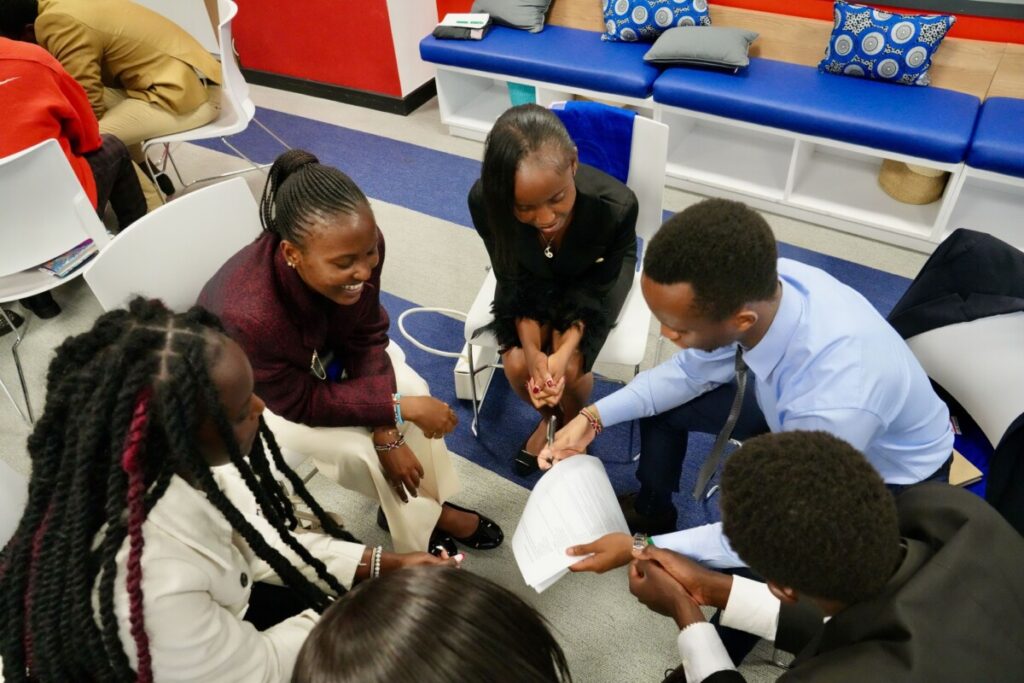
When KCB Bank signed a landmark agreement with 29 universities across Kenya in 2025, it marked a turning point in the evolving relationship between African banks and educational institutions. The partnership went beyond traditional student loans, embedding banking services into the operational fabric of universities and providing infrastructure support, digital payment solutions, and financial literacy programs for students and faculty alike. For both sectors, it was a milestone that highlighted the growing interdependence between finance and education on the continent.
Roots of Bank-Education Partnerships in Africa
Structured collaborations between banks and learning institutions in Africa date back more than a century. Kenya Postbank, established in 1910, introduced “pedagogical banking,” offering small savings accounts designed to instill a culture of thrift and help locals understand currency management.
By the 1950s, commercial banks such as Barclays Bank DCO and Standard Bank of South Africa had opened training schools in Nairobi to develop skilled staff for their East African operations. The 1960s saw multilateral engagement with the World Bank and UNESCO, which partnered with universities to provide loans and fellowships, positioning higher education as a key driver of human capital.
Digital Payments Transform Fee Collection
Today, partnerships have evolved from these foundational steps into integrated strategic alliances. Banks now act as financiers, technology partners, and enablers of digital adoption. Co-op Bank’s SchoolPay system allows schools to move away from cash-based fee collections, improving security, transparency, and efficiency.
Similarly, mobile payment platforms such as Pesapal are becoming standard across institutions in Kenya, South Africa, and Nigeria, enabling quick, secure transactions while giving schools real-time access to revenue data.
Student Financing and Scholarships Expand Access
Student financing and scholarships remain central to these collaborations. Equity Group Foundation, in partnership with the Mastercard Foundation, has awarded more than 60,000 secondary school scholarships through the Wings to Fly program. Its Equity Leaders Program has sent over 118 scholars to top global universities, including Ashesi University in Ghana and the African Leadership University campuses in Mauritius and Rwanda.
In South Africa, Standard Bank has partnered with the South African Institute of Chartered Accountants to support accounting students at historically disadvantaged universities, combining scholarships with mentorship programs that prepare students for the professional world.
Banks Step into Infrastructure Financing
Financial institutions are increasingly filling gaps in higher education infrastructure. Absa Bank financed KSh 6.7 billion for purpose-built student accommodation in Nairobi through Acorn Student Accommodation, addressing a deficit of over 200,000 beds.
KCB Bank, backed by a $150 million African Development Bank package, supported schools like Katwanyaa High in transitioning to green infrastructure, including LPG cooking systems to replace wood fuel. These investments show how banks are addressing both physical and digital needs in education.
Universities as Innovation Hubs
Fintech and innovation have become the next frontier of collaboration. At USIU-Africa, students partnered with the Interledger Foundation to build interoperable payment systems for small businesses. Strathmore University hosted an AI Fintech Hackathon where over 150 students developed solutions for payment verification and other real-world challenges.
The University of the Witwatersrand established a FinTech Hub with Liberty Group to connect students with AI and digital finance professionals. These initiatives shift learning from theory to practical application, preparing graduates for the evolving financial ecosystem.
Regional and Global Coalitions Strengthen Impact
Bank-university partnerships increasingly operate at regional and global levels. Ecobank, in collaboration with the Global Partnership for Education, has championed girls’ education and digital literacy in Ghana, Kenya, and Zimbabwe. Equity, Ecobank, and Access Bank are also part of the Nature-Related Finance Alliance, working with the Cambridge Institute for Sustainability Leadership to fund environmentally sustainable projects across Africa.
A Symbiotic Model for Africa’s Future
These partnerships benefit both sides, as financial institutions gain access to a digitally literate, financially engaged youth population, while universities receive funding, infrastructure support, and programs that enhance student outcomes. The relationship has shifted from philanthropy to strategic investment, positioning learning institutions as hubs for digital adoption and banks as enablers of educational advancement.
Jefferson Wachira is a writer at Africa Digest News, specializing in banking and finance trends, and their impact on African economies.