
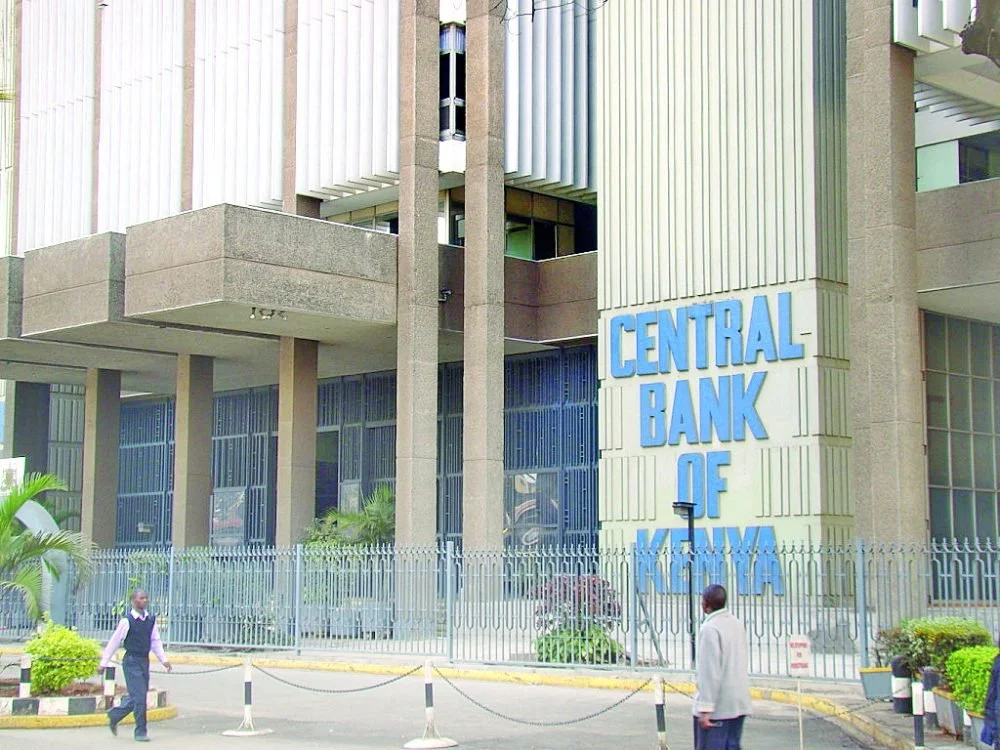
The Kenya Bankers Association (KBA) is calling on the Central Bank of Kenya (CBK) Monetary Policy Committee (MPC) to maintain the Central Bank Rate (CBR) at 8.75% during its meeting scheduled for August 11, 2026.
The recommendation comes ahead of the MPC meeting, with the banking sector lobby citing contained inflation, exchange rate stability and improving private-sector credit growth as key factors supporting a decision to retain the current policy rate. The position marks a shift from June 2026, when the Kenya Bankers Association had advocated for a rate increase.
According to the KBA, the MPC’s decision will likely be influenced by four key developments, including inflation remaining within the target range, resilient economic growth, improved transmission of previous rate cuts through lower lending rates, and stability of the Kenya shilling supported by strong foreign exchange reserves.
“With inflation currently anchored within the target range and minimal threats to its escalation in the near term, as well as sustained exchange rate stability, we view that maintaining the current stance of monetary policy in keeping the CBR unchanged at 8.75% would be appropriate to support private sector credit growth and strengthen economic activity,” the association said.
Kenya Inflation Remains within Target Range
The KBA said overall inflation remains within the target range, with limited evidence of demand-driven inflationary pressures, although supply-side pressures remain elevated. Headline inflation increased slightly to 6.5% in July 2026 from 6.4% in June and 6.7% in May, remaining within the target band.
Core inflation, which reflects demand pressures in the economy, remained stable at 3.2% in July 2026 compared with 3.1% in June and 3.2% in May. However, non-core inflation remained elevated at 15.0% in July, unchanged from June but lower than the 16.0% recorded in May.
The elevated non-core inflation was attributed to supply-side pressures, including a 9.0% annual increase in food and non-alcoholic beverage prices, particularly tomatoes and kales, as well as a 15.6% rise in transport costs linked to higher oil pump prices.
The inflation outlook faces risks from continued geopolitical tensions and volatility in global commodity markets, particularly following disruptions to energy and food supply chains.
The KBA noted that higher global crude oil, natural gas and food prices could increase imported inflation through higher fuel, transport and production costs.
The association said the focus going forward should remain on preventing temporary cost pressures from becoming embedded in inflation expectations and supporting short- to medium-term price stability.
Economic Growth Remains Resilient
The banking sector lobby said Kenya’s economic growth remains resilient, supported by stronger industrial and services sector performance, although risks remain from geopolitical tensions, weaker global demand and widening fiscal deficits.
The economy expanded by 5.3% in the first quarter of 2026, up from 4.9% in the first quarter of 2025. The growth was supported by a rebound in industrial activity and continued expansion in services.
Industrial output grew by 5.4%, driven by increased production of sugar, soft drinks, assembled vehicles, cement and galvanized sheets. Mining, quarrying and construction activities also contributed to industrial growth.
The services sector expanded by 5.5% during the quarter, supported by stronger performance in accommodation and food services as tourism and hospitality activities increased. Agriculture sector growth moderated to 4.9% during the period due to weaker coffee and fruit exports, despite improved tea, cane and milk production.
Business sentiment also improved in June 2026, with the Purchasing Managers’ Index (PMI) rising to 50 from 46.6 in May, indicating stabilising business conditions. The improvement was supported by modest growth in new orders, increased business confidence, inventory restocking and employment gains.
However, businesses continued to face challenges including weak output levels, supplier delays and higher fuel-related input costs.
Previous Rate Cuts Support Private Sector Credit Growth
The KBA said previous reductions in the policy rate have continued to transmit through the financial system, resulting in lower lending rates and improved private-sector credit growth.
The association noted that maintaining the CBR at 8.75% would support further improvement in credit conditions and strengthen economic activity. The MPC has previously adjusted the policy rate as part of efforts to balance inflation management with economic growth support.
Shilling Stability Supported By Reserves and Inflows
The Kenya shilling has remained stable, supported by strong foreign exchange inflows and increased official reserves, according to the KBA. Foreign exchange reserves reached $15.4 billion as of July 30, 2026, equivalent to 6.4 months of import cover and above the statutory requirement of four months.
The stability of the currency has been supported by tourism receipts, transport services and diaspora remittances, which stood at $7.49 billion. Foreign direct investment and portfolio inflows have also supported external financing conditions.
However, Kenya’s external position continues to face pressure from a widening current account deficit. The current account deficit increased from $2.25 billion in May 2025 to $3.79 billion in May 2026, reflecting higher import costs amid elevated global commodity prices.
The KBA said strong foreign exchange reserve buffers and continued inflows are expected to provide support against external shocks and help maintain exchange rate stability.
A key risk remains the rise in global oil prices linked to geopolitical tensions, which could increase Kenya’s fuel import bill, widen the current account deficit and place pressure on the shilling.
The MPC is scheduled to announce its decision on the Central Bank Rate on August 11, 2026.
Jefferson Wachira is a writer at Africa Digest News, specializing in banking and finance trends, and their impact on African economies.